








Asbestlint is a term used to describe fine, lint-like particles that originate from deteriorating asbestos materials, and although the word may seem unfamiliar to many, the concept behind it carries deep historical and environmental significance. These particles are often invisible to the naked eye, making them especially dangerous when inhaled or spread unknowingly inside homes, workplaces, or outdoor environments. Many older buildings still contain materials that may break down over time, releasing asbestlint into surrounding spaces without anyone noticing. This makes awareness crucial, particularly for those involved in renovation, construction, or the maintenance of older properties. The more people understand how asbestlint forms and why it is dangerous, the easier it becomes to take necessary precautions to protect both human health and the environment.
What Is Asbestlint?
Asbestlint forms when asbestos-containing materials age, break, or crumble due to external pressure, weathering, or physical disturbance. While asbestos fibers are hazardous in any form, asbestlint is especially dangerous because its small, dust-like particles become airborne effortlessly, increasing the likelihood of inhalation. These tiny fibers can settle deep into the lungs, causing long-term health issues that may not become noticeable for decades. Unlike solid asbestos boards or tiles that remain intact for years, asbestlint signals material breakdown, meaning the risk of exposure is significantly higher. Because it resembles ordinary dust, many individuals do not even realize they are handling or breathing it, creating an invisible hazard that requires careful monitoring.
Historical Use and Origins of Asbestlint
Asbestlint became a byproduct of the widespread use of asbestos in the 20th century, a time when the material was celebrated for its durability and heat resistance. Manufacturers used asbestos in everything from insulation and plaster to textiles and automotive parts, unaware of the dangers associated with continuous exposure. Buildings constructed before the 1980s frequently contained multiple asbestos-based components, meaning that over time, wear and tear naturally produced asbestlint. In factories where asbestos was handled, workers often encountered thick layers of dust and lint-like particles, long before any safety regulations were in place. Today, even though asbestos use has dramatically reduced, its legacy remains in millions of aging structures worldwide that still generate asbestlint as they deteriorate.
Identifying Asbestlint in Everyday Environments
Identifying asbestlint can be extremely difficult because it looks similar to regular household dust or construction debris. In older homes, for example, crumbling insulation, damaged ceiling tiles, and worn-out floor materials may shed small particles that contain asbestos fibers. Industrial settings such as warehouses, factories, and power plants are even more likely to contain aging equipment and insulation that release asbestlint with everyday vibration and movement. Outdoor environments may also carry traces of asbestlint when old roofing materials or exposed cement panels begin to weaken. Because these particles are microscopic, the only reliable method of identification is laboratory testing conducted by certified professionals, especially before any repairs or demolition work begins.
Health Risks Associated With Asbestlint Exposure
Asbestlint poses severe health risks because its small fibers can become lodged in the lungs, leading to chronic illnesses that may develop slowly over time. One of the most well-known diseases caused by asbestos exposure is mesothelioma, a rare but aggressive cancer that affects the lining of the lungs and abdomen. Other conditions include asbestosis, which causes permanent lung scarring, and lung cancer, which may emerge decades after exposure. The danger lies not only in prolonged contact but also in short-term inhalation of high concentrations, meaning that even brief encounters with airborne asbestlint can have lifelong consequences. Since symptoms often do not appear until advanced stages, early awareness and prevention remain the best defense.
How Exposure Typically Occurs
Exposure to asbestlint usually happens when asbestos-containing materials are disturbed through renovation, drilling, sanding, cutting, or demolition activities. Homeowners attempting simple DIY repairs may unknowingly release asbestlint into the air, especially when working on old walls, floors, or piping. Workers in the construction and maintenance industries face even greater risks, as daily tasks may involve handling aging materials that shed fibers easily. Natural weathering, such as wind, moisture, or temperature fluctuations, can also contribute to the release of asbestlint in buildings that have not been maintained for many years. Without proper precautions, these particles quickly spread, accumulating on surfaces or circulating through ventilation systems.
Environmental Impact of Asbestlint
Beyond its effects on human health, asbestlint also poses long-term environmental concerns. The fibers do not decompose naturally, meaning they can persist in soil, water, and air for many decades once released. Wildlife may unknowingly ingest or inhale these particles, leading to respiratory or digestive complications. Additionally, large-scale demolition projects often release significant amounts of asbestlint into surrounding neighborhoods, where it can settle on soil or rooftops if not properly controlled. Over time, these fibers may travel far from their original source, complicating cleanup efforts and creating ongoing hazards for future generations. This persistent nature makes responsible handling essential to protecting both human and environmental health.
Safe Handling and Removal Practices
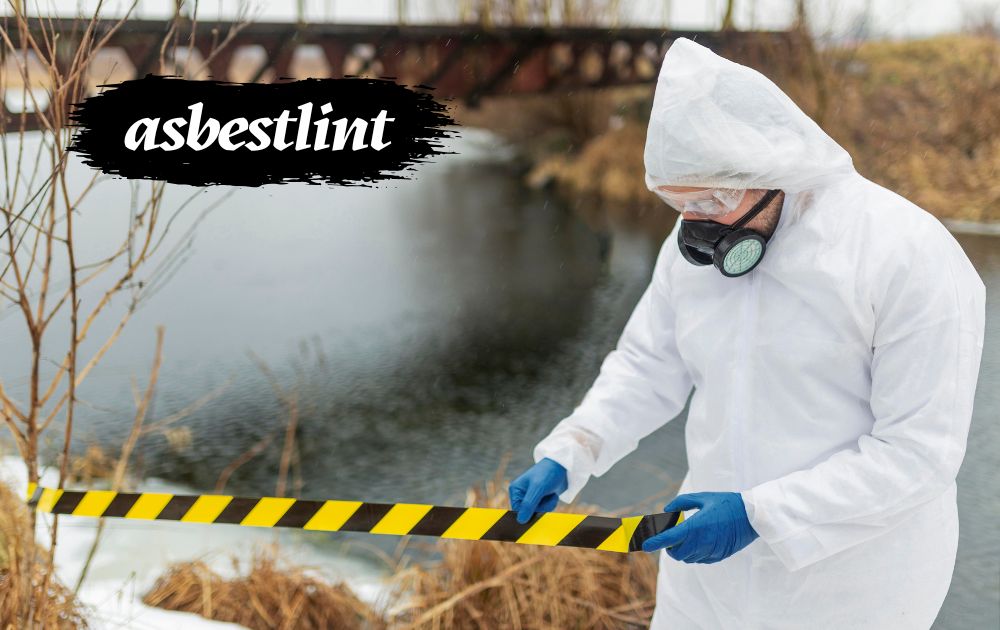
Safe handling of asbestlint requires strict protocols that prevent particles from becoming airborne. For this reason, professional asbestos removal teams use specialized equipment, including HEPA-filter vacuums, air-sealed containment areas, and protective clothing to prevent contamination. Wet-removal techniques are often used to reduce the amount of dust created during the process, allowing workers to dispose of materials more safely. Homeowners are strongly discouraged from attempting asbestos removal themselves, as even small mistakes can release large amounts of asbestlint into the air. Proper disposal methods, such as sealing waste in labeled containers and transporting it to licensed facilities, ensure that the materials do not pose further risks once removed.
Preventing Exposure in Homes and Workplaces
Preventing exposure begins with awareness and regular inspections of older structures. Buildings constructed before asbestos regulations were introduced should be evaluated by licensed professionals who can determine whether materials are still stable or at risk of shedding asbestlint. In workplaces, especially those involving heavy machinery or old infrastructure, routine maintenance checks can help identify problems before they become serious hazards. Proper ventilation systems, air filtration units, and safety protocols also play a critical role in reducing exposure. Communities that educate residents about the dangers of asbestlint experience fewer accidental disturbances, making public awareness one of the most effective tools for minimizing risk.
Modern Alternatives to Asbestlint-Producing Materials
With advancements in technology, industries have replaced asbestos with safer, more sustainable materials that do not produce harmful particles. Fiberglass, mineral wool, cellulose insulation, and other modern products offer similar durability without the health risks associated with asbestlint. These alternatives are now widely used in construction, manufacturing, and automotive industries, providing effective solutions for fire resistance and insulation. Improved building standards ensure that newer structures remain free from asbestos-based materials, reducing the long-term risk for occupants. As innovation continues, even more environmentally friendly and health-conscious alternatives are emerging, further reducing reliance on hazardous substances.
Legal Regulations and Global Guidelines
Governments worldwide have implemented strict laws governing the use, handling, and removal of asbestos to reduce the spread of asbestlint. Many countries require mandatory inspections before renovation or demolition, ensuring that any asbestos-containing material is properly identified and managed. International organizations such as the World Health Organization also provide guidelines for safe asbestos handling, promoting global standards that protect public health. While some nations still use asbestos in limited industries, most have taken significant steps to regulate or eliminate its presence. These laws ensure that future generations face fewer risks from hazardous particles like asbestlint.
Conclusion
Asbestlint remains a silent but significant danger in older environments, especially in buildings constructed before modern safety regulations were introduced. Understanding what it is, where it comes from, and how it can affect health is essential for homeowners, workers, and communities alike. By recognizing the risks and taking proactive steps such as inspections, professional removal, and adopting safer materials, individuals can greatly reduce exposure. The key to managing asbestlint is awareness, prevention, and responsible action. When people become informed and take the proper precautions, they create safer living and working spaces for themselves and for future generations.
FAQs About asbestlint
Can asbestlint be seen with the naked eye?
Not usually. It often looks like ordinary dust, so professional testing is required to confirm its presence.
Are all old buildings guaranteed to contain asbestlint?
No, but many structures built before the 1980s have a higher chance of containing asbestos materials that may shed particles.
Is it safe to clean asbestlint by sweeping or vacuuming?
No. Sweeping or using a regular vacuum can spread fibers into the air. Only trained professionals with proper equipment should remove it.
How long do health effects from asbestlint take to appear?
Symptoms may take anywhere from 10 to 40 years to develop, depending on exposure levels.
Can modern construction still contain asbestos?
Most countries have banned or restricted asbestos use, but in some parts of the world it may still appear in limited applications.