
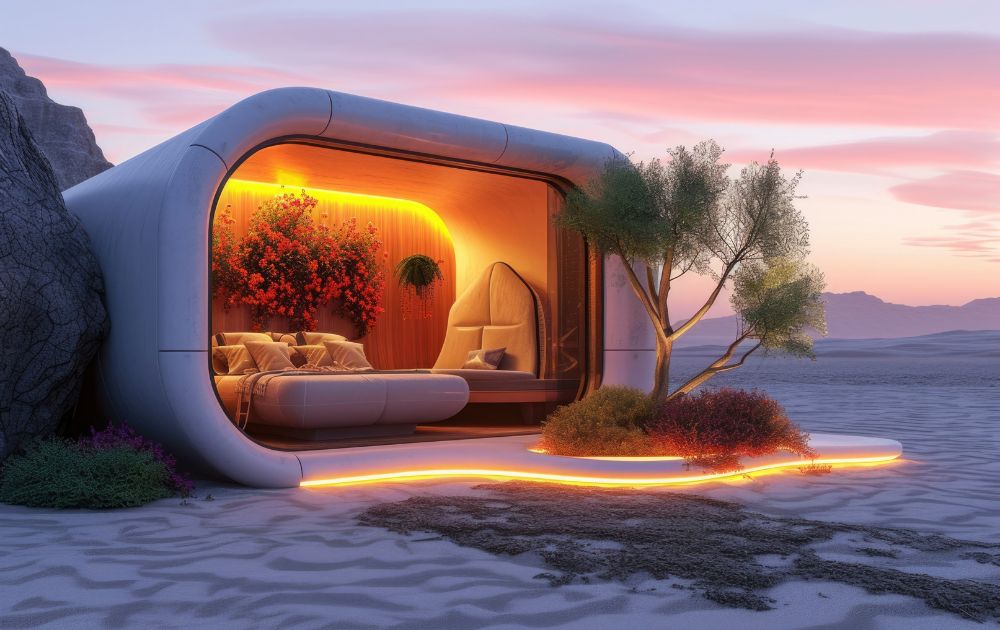
Gateway designs play a powerful role in shaping the first impression of any space, and their meaning stretches far beyond simple entrances. In every culture, era, and platform, gateway designs symbolize transition, protection, and identity. Whether crafted for real-world architecture or digital creativity, gateway designs help define the character of a home, city, landmark, or virtual environment. The concept of gateway designs mirrors human creativity because each structure marks a new beginning, serving as a visual statement that leads people toward the world that lies beyond it.
The Timeless Importance of Gateway Designs
The importance of gateway designs becomes clear when we look at how they elevate the appearance of both public and private spaces. A well-crafted gateway can stand as a bold declaration of style, blending structure and aesthetics into a welcoming form. Gateway designs support both beauty and function, offering structural strength while also becoming artistic representations of the spaces they guard. From ancient civilizations to modern cities, gateway designs set the emotional tone for anyone approaching, making them essential elements of architectural storytelling.
Historical Influence on Modern Gateway Designs
The evolution of gateway designs is rooted in historical traditions where entrances were created with intricate carvings, symbolic motifs, and strong materials. Classical civilizations like Rome, China, and India used gateway designs as cultural symbols that represented authority, spirituality, or celebration. This deep cultural history continues to shape modern gateway designs, as today’s structures still take inspiration from arches, pillars, and symbolic shapes. Gateway designs therefore serve as bridges between the past and the future, preserving traditional influences while embracing contemporary creativity.
Architectural Progression in Gateway Designs Across Cultures
Throughout history, gateway designs were crafted with purpose, offering protection to cities or marking sacred spaces. Asian torii gates, European stone arches, and Middle Eastern monumental entrances showcase how civilizations infused identity into their gateway designs. These traditional architectural influences still guide today’s designers, who often merge classical elegance with modern materials. As a result, gateway designs continue to express cultural values while evolving into more functional and visually refined forms.
The Shift Toward Modern Gateway Designs
In modern architecture, gateway designs reflect minimalism, technological innovation, and sustainability. The shift toward sleek lines, modern materials, and simple forms has changed how designers approach gateway designs. Instead of heavily decorated structures, the emphasis now lies in functionality and elegance. Modern gateway designs often use steel, aluminum, glass, and composite materials to create long-lasting and visually appealing entrances that blend seamlessly with contemporary living spaces.
How Materials Shape Modern Gateway Designs
Materials are central to the creativity behind gateway designs, influencing durability, appearance, and feasibility. Today’s designers frequently use robust materials such as concrete, iron, steel, and tempered glass to bring gateway designs to life with minimal maintenance. When sustainability becomes a priority, natural woods and eco-friendly composites are also integrated into gateway designs, offering environmentally conscious choices without compromising beauty. The pairing of innovative materials with artistic vision is what makes modern gateway designs so influential.
Gateway Designs in Digital Worlds: Minecraft Gateway Design Inspiration
Digital creativity has expanded the meaning of gateway designs, especially through platforms like Minecraft where users experiment with limitless possibilities. Minecraft gateway design concepts encourage players to use their imagination to build portals, arches, and decorative entrances that mark transitions between biomes or realms. These Minecraft gateway design ideas often incorporate glowing blocks, stone patterns, and architectural symmetry, reflecting how gateway designs are not limited to real-world construction. Instead, Minecraft gateway design techniques highlight how creativity can thrive in virtual spaces.
Creativity and Functionality in Minecraft Gateway Design
Minecraft gateway design elements combine fun and function, especially when players build portals like Nether or End gateways. While some Minecraft gateway design structures serve practical roles, others exist purely for decoration, showcasing creativity with unique shapes, colors, and lighting effects. Through these digital creations, players experience the same artistic process that real architects undergo when crafting gateway designs, proving that inspiration can emerge from any medium.
Studying Greatness: The Designer of Gateway Arch and His Influence
One of the most influential examples of gateway designs in history is the Gateway Arch in St. Louis, designed by the renowned architect Eero Saarinen. The designer of Gateway Arch brought a bold vision into reality, creating a structure that symbolizes American expansion and progress. The Gateway Arch has since become a global reference for innovative gateway designs, proving how a single entrance structure can embody national identity and artistic excellence.
Eero Saarinen’s Vision as the Designer of Gateway Arch
As the designer of Gateway Arch, Saarinen envisioned a gateway that represented motion, growth, and the pioneering spirit. His approach was rooted in artistic simplicity, using geometry to capture meaning. The Gateway Arch’s stainless-steel surface and graceful curve demonstrate how gateway designs can communicate strength and elegance at the same time. This influential work continues to inspire architects and creators who study gateway designs for their futurism and symbolism.
Engineering Genius Behind the Iconic Gateway Designs
The engineering behind the Gateway Arch is a masterclass in precision, proportion, and structural innovation. Designed with triangular sections that taper toward the top, the Gateway Arch stands as a testament to the architectural evolution of gateway designs. Today, many public and commercial gateway designs draw inspiration from this structure, adopting curved forms or minimalist lines that echo Saarinen’s masterpiece.
Residential Uses of Gateway Designs
Gateway designs also play a major role in residential architecture by enhancing curb appeal and offering security. When homeowners choose gateway designs, they typically seek a balance between style and functionality. Minimalist modern homes benefit from simple, clean-lined gateways that mirror contemporary aesthetics, while larger estates often choose grand gateway designs that highlight luxury and sophistication. In every case, residential gateway designs contribute to the overall personality of the home.
Public and Commercial Gateway Designs in Modern Cities
Cities around the world use gateway designs to mark important intersections, tourist attractions, and cultural hubs. These large-scale gateway designs often combine engineering, art, and public engagement to create unforgettable landmarks. Urban planners use creative gateway designs to welcome visitors, guide foot traffic, and symbolize the uniqueness of a location. As cities expand, gateway designs continue to evolve, reflecting innovation and local heritage.
Creative Approaches That Redefine Gateway Designs
Modern designers constantly push the boundaries of gateway designs by blending architecture with natural elements, smart technology, and artistic lighting. In many contemporary projects, gateway designs incorporate plants, water features, motion sensors, LED systems, and energy-efficient materials. These additions transform simple entrances into immersive experiences, proving that gateway designs are no longer just structural forms but dynamic pieces of art.
Nature and Technology in Gateway Designs
Blending nature with gateway designs creates peaceful, harmonious entrances that connect humans to the environment. On the other hand, integrating automation into gateway designs enhances convenience and security, especially in urban and residential settings. This thoughtful mix of nature and technology showcases the future of gateway designs, where beauty and innovation work together seamlessly.
Designing Your Own Gateway Designs
Creating your own gateway designs starts with understanding the purpose of the entrance and imagining how you want people to feel when they encounter it. By sketching ideas, choosing suitable materials, and defining a style, you can shape gateway designs that express your personal vision. Once the concept is clear, builders and designers can help bring the gateway designs to life, turning imagination into reality through structure and artistic detail.
Conclusion
Gateway designs hold a timeless significance across cultures, cities, homes, and even virtual landscapes. Whether looking at the grandeur of the Gateway Arch by the iconic designer of Gateway Arch or exploring creative Minecraft gateway design ideas, the concept of gateway designs continues to evolve and inspire. Each gateway represents transition, creativity, and identity, and as materials and technologies advance, gateway designs will keep transforming the way we experience both real and digital spaces.
FAQs About gateway designs
Why are gateway designs important in architecture?
Gateway designs create strong first impressions, symbolize transitions, and enhance the identity of any space.
How does Minecraft gateway design influence creativity?
Minecraft gateway design encourages players to use imagination and structural elements to build unique portals and entrances.
Who is the designer of Gateway Arch?
The designer of Gateway Arch is Eero Saarinen, a visionary architect known for futuristic concepts.
What materials are commonly used in modern gateway designs?
Modern gateway designs typically use steel, aluminum, wood, glass, and concrete for durability and style.
Can anyone design their own gateway designs?
Yes, anyone can create gateway designs by planning, sketching ideas, choosing materials, and collaborating with builders or designers.