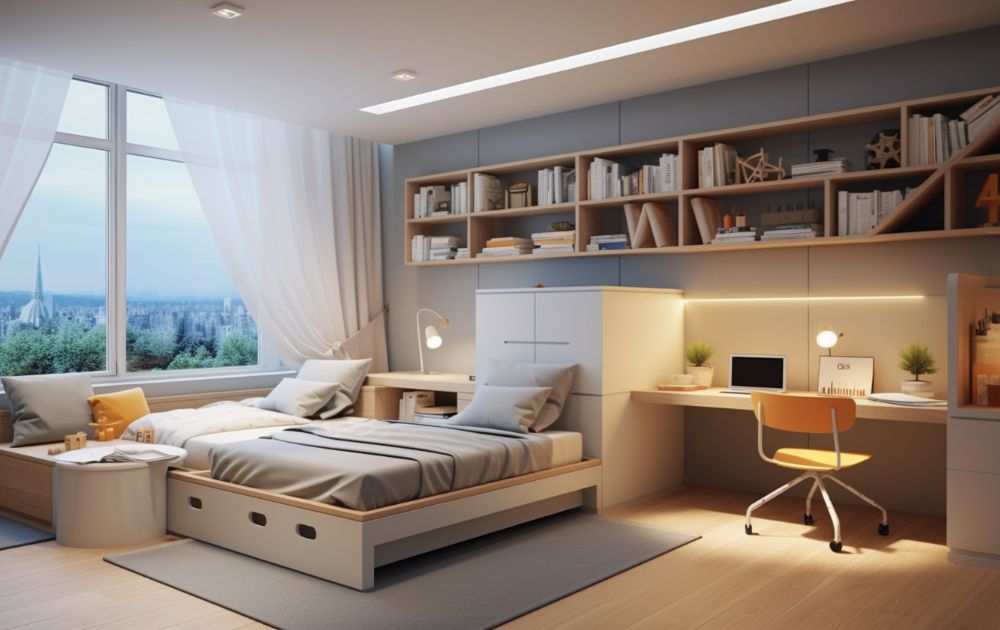









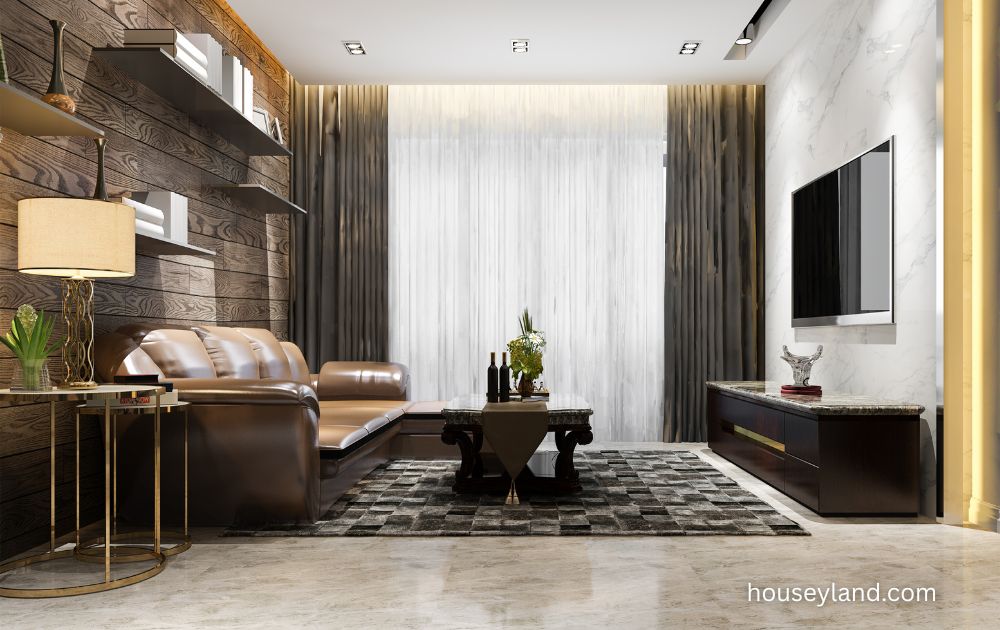
Comfort is one of those things you notice most when it’s missing. A room that looks great but feels drafty, loud, dark, or cramped will wear on you faster than you expect. The good news is that the upgrades that make a home feel better are rarely the flashy ones. They are the quiet improvements you feel every morning, every evening, and on every lazy Sunday when you are just living your life. If you are planning updates, focus on what reduces friction and makes your routines easier, then finish with the touches that make you smile, which often include transforming the look of your interior.
The best “daily payoff” upgrades have two things in common. First, they solve an everyday annoyance you have learned to tolerate, like a bathroom that never warms up or a kitchen that makes you zigzag around people. Second, they keep working even when you stop thinking about them. You do not have to “use” them to benefit. They simply make the house feel calmer, smoother, and more pleasant.
If you are weighing what to tackle first, it helps to think like this: start with the bones, move to the flow, then layer in the nice-to-haves. That approach keeps you from spending money on finishes while the underlying discomfort stays the same, and it also helps you build a plan you can phase over time. If you want a reference point for how a remodel can be structured around real-life use, you can look at how some contractors frame comfort-forward planning, such as hyperion home remodel & contracting, murrieta, ca.
Fix the invisible stuff first
A home can have beautiful finishes and still feel “off” if the temperature swings, the air feels stale, or the noise carries everywhere. The upgrades in this section are not always glamorous, but they tend to deliver the biggest everyday relief because they address how the home behaves.
Get serious about insulation and air sealing
If your floors run cold in winter or the upstairs feels like a different climate, insulation and air sealing are often the hidden culprit. Drafts around doors, attic bypasses, and leaky duct runs can make rooms uncomfortable even if your heating and cooling equipment is decent. Tightening the envelope helps the whole household maintain a steady temperature, which feels like comfort in its purest form.
A simple way to spot priorities is to pay attention to “problem rooms.” If one bedroom is always hotter, if the bathroom never warms up, or if the living room cools down as soon as the sun drops, those patterns usually point to fixable gaps in insulation, airflow, or both.
Upgrade comfort through air quality
Air quality has a sneaky impact on how you feel at home, especially if you cook a lot, have pets, or deal with seasonal allergies. Better ventilation, improved filtration, and humidity control can change the daily vibe in a way that is hard to unsee once you have it.
Think of this as building a home that breathes properly. A good range hood that actually vents outside, a bathroom fan that clears moisture fast, and a high-quality HVAC filter can make the air feel lighter and the home smell fresher, without masking anything.
Make heating and cooling feel consistent, not dramatic
A comfortable home does not blast hot air and then go quiet. It stays steady. If your system is aging or poorly zoned, you might benefit from solutions that target consistency: zoning, better duct design, a variable-speed system, or even smart thermostats that respond to how you really live.
The best part is that consistency is noticeable in small moments. Getting out of bed into a room that is not freezing. Walking from the hallway into the living room without feeling a temperature drop. These tiny wins add up.
Make the kitchen feel effortless
Kitchens are comfort zones, even when you are not a “cook.” It is where people hover, snack, talk, and inevitably end up standing in the exact spot you need. Comfort upgrades here are often about movement, spacing, and reducing the little annoyances that turn a weekday dinner into a mess.
Prioritize flow over square footage
More space is nice, but better flow is life-changing. If you are constantly dodging open dishwasher doors, squeezing past someone at the fridge, or carrying hot pans across a traffic lane, you are feeling a design problem in real time.
The fix might be as simple as rethinking the layout, widening a walkway, relocating a trash pull-out, or adding a landing zone next to the oven. Small shifts can make the room feel calmer without changing the overall size.
Lighting that makes you feel awake, not washed out
Bad lighting is a daily tax. It makes cooking harder, makes the room feel gloomy, and can even change your mood. A comfort-forward kitchen has layered lighting: bright task lighting where your hands work, softer ambient lighting for evenings, and accent lighting that adds depth.
If you only do one thing, consider under-cabinet lighting. It removes shadows on counters and makes the kitchen feel intentionally designed, even on a random Tuesday night.
Turn bathrooms into daily recovery spaces
Bathrooms are not just functional. They are the first room many people use in the morning and the last room they use at night. Comfort upgrades here often feel “luxurious,” but the payoff is actually practical because you use the space every day.
Warmth where you feel it most
Heated floors are the classic example, but even smaller changes can help, like better insulation, a correctly sized exhaust fan, or a towel warmer if you are the type of person who hates stepping out of the shower into cold air.
A bathroom that stays warm and dries quickly also stays cleaner. Less lingering moisture usually means fewer musty smells and fewer long-term maintenance issues.
Storage that stops the clutter creep
If counters are always crowded, it is not because you are messy. It is because the bathroom does not have a place for what you use. A vanity with smart drawer storage, a recessed medicine cabinet, or a linen cabinet that fits your habits can reduce daily stress in a surprisingly emotional way. Comfort is not only about temperature. It is also about not starting your day by moving five items just to wash your face.
Build a home that supports rest
If you want comfort that hits you every single day, pay attention to sleep and quiet. The best homes have “soft edges” that reduce noise, harsh light, and visual chaos.
Sound control that makes the whole house calmer
Noise is one of the fastest ways a home starts to feel stressful. You do not need a recording studio, but you can make meaningful improvements through better doors, upgraded windows, insulation in key interior walls, and quieter fixtures and fans.
If you have an open layout, consider adding softness strategically: rugs, curtains, upholstered seating, and acoustic-friendly materials. Even these design choices can improve comfort, especially if your space echoes.
Bedroom comfort that feels immediate
A bedroom upgrade does not need to be massive. Dimmable lighting, blackout shades, a ceiling fan that does not wobble, and thoughtful closet storage can change how the room feels at the end of a long day. The win here is emotional as much as physical. A bedroom that feels calm makes it easier to shut off mentally, and that’s a daily payoff that touches everything else.
The small upgrades you will thank yourself for
Not every comfort upgrade requires a full remodel. Some of the best ones are the “why didn’t I do this sooner” changes that remove friction from daily life.
Upgrade the touchpoints you use constantly
Handles that feel solid, faucets that work smoothly, switches placed where you expect them, and outlets where you actually need them are all comfort upgrades. They are not exciting until you live with them. Then they are hard to give up. If you have ever balanced a phone charger across a hallway or reached awkwardly behind a nightstand for an outlet, you already know what I mean.
Add a little smart home convenience, but keep it simple
Smart features can feel gimmicky if they are complicated, but a few basics are pure comfort: smart dimmers, a thermostat you can adjust from bed, and an entry lock that makes coming home easier when your hands are full. The key is picking tech that reduces effort. If it adds steps, it is not a comfort upgrade.
Choosing what to do first without getting overwhelmed
Comfort planning is easiest when you rank upgrades by how often you will feel them. A kitchen layout fix you experience multiple times a day might beat a decorative change you notice once in a while. A quiet bedroom might be more valuable than a trendy feature that photographs well.
Start by listing your top three daily annoyances. Then pick one upgrade that fixes each annoyance in a lasting way. If you do that, you will end up with a home that feels better quickly, and you will still have room in the plan for the fun stuff later. Comfort is not only about looking updated. It is about building a space that supports your actual life, day after day.