
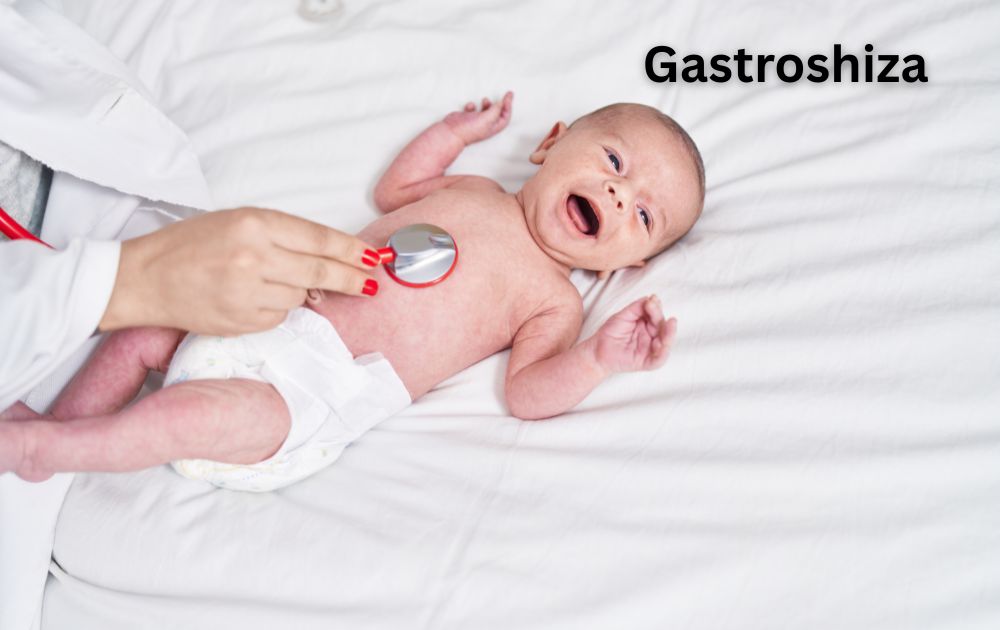
What Does Gastroshiza Mean?
Gastroshiza is a rare medical condition that affects newborns and involves an opening in the abdominal wall through which the intestines develop outside the body. The word itself may sound unfamiliar and even intimidating, but understanding gastroshiza begins with breaking it down in simple terms. Think of the abdominal wall as a protective zipper that normally closes during early development. In cases of gastroshiza, that zipper doesn’t fully close, allowing organs to remain outside at birth.
The condition of gastroshiza is present from birth and is not caused by anything a parent intentionally does. It develops very early during pregnancy, often before many people even realize they are expecting. While the diagnosis can feel overwhelming, modern medicine has made significant progress in managing gastroshiza effectively.
Why Awareness of Gastroshiza Matters
Awareness of gastroshiza matters because early diagnosis and proper medical care can dramatically improve outcomes. When families and healthcare providers understand gastroshiza, they can act quickly and compassionately. Awareness also helps reduce fear, replace myths with facts, and support families navigating an unexpected journey.
Medical Overview of Gastroshiza
Gastroshiza is a congenital condition, meaning it develops before birth during the earliest stages of pregnancy. Medically, gastroshiza is characterized by a small opening in the abdominal wall, usually located to the right of the umbilical cord, through which the intestines extend outside the baby’s body. Unlike some related abdominal wall conditions, the exposed organs in gastroshiza are not covered by a protective membrane. This direct exposure makes careful medical management essential immediately after birth to protect the organs and prevent complications.
How Gastroshiza Develops
Gastroshiza develops during the early weeks of fetal growth when the abdominal wall does not fully form. As a result, the intestines grow outside the body through a small opening, usually near the belly button. Unlike some other conditions, gastroshiza does not involve a protective sac around the exposed organs, which is why immediate medical attention after birth is essential.
Although researchers continue to study gastroshiza, the exact reason why this opening forms is still not completely understood. What is clear, however, is that it occurs randomly and is not inherited in most cases.
Difference Between Gastroshiza and Similar Conditions
It’s easy to confuse gastroshiza with other abdominal wall conditions, but they are not the same. Understanding these differences helps ensure accurate diagnosis and treatment.
Gastroshiza vs Other Abdominal Wall Conditions
In gastroshiza, the intestines are exposed without a membrane, while in other conditions the organs may be covered by a thin sac. This distinction affects how doctors approach treatment and care. Gastroshiza typically requires more immediate surgical planning because the organs are directly exposed to the environment.
Causes and Risk Factors
The exact causes of gastroshiza are not yet fully understood, which is why the condition is often described as complex and multifactorial. Medical researchers believe that gastroshiza develops very early in pregnancy, usually within the first few weeks, when the abdominal wall is forming.
Known Medical Factors
Medical science has identified several factors that may increase the likelihood of gastroshiza, although none guarantee its development. These factors can include young maternal age and certain biological influences during early pregnancy. Still, many cases of gastroshiza occur without any identifiable cause.
Environmental and Lifestyle Influences
Some studies suggest environmental or lifestyle influences may play a role in gastroshiza, but no single factor has been proven as a direct cause. It’s important to approach this topic gently, as parents should never feel blamed or responsible. Gastroshiza is a complex condition with many unanswered questions.
Is Gastroshiza Preventable?
At present, there is no guaranteed way to prevent gastroshiza. Regular prenatal care, healthy nutrition, and avoiding harmful substances are always recommended for overall pregnancy health, but they cannot fully eliminate the risk of gastroshiza.
Signs and Diagnosis
In many cases, gastroshiza is detected during routine prenatal ultrasounds. Seeing the intestines outside the abdominal wall allows healthcare providers to plan ahead for delivery and immediate care. Early diagnosis of gastroshiza gives families time to prepare emotionally and medically. If gastroshiza is not identified before birth, it becomes immediately visible after delivery. Medical teams are trained to respond quickly, ensuring the exposed organs are protected and the newborn is stabilized.
Treatment and Medical Care
Treatment and medical care for gastroshiza begin immediately at birth and continue through a carefully planned recovery process. Because the intestines are located outside the body, the first medical priority is stabilizing the newborn and protecting the exposed organs. Healthcare professionals gently cover the intestines with sterile, temperature-controlled materials to prevent infection, dehydration, and heat loss. At the same time, the baby is closely monitored for breathing, circulation, and overall stability to ensure they are strong enough for the next stages of care.
Immediate Care After Birth
When a baby is born with gastroshiza, the first priority is protecting the exposed intestines and preventing infection. The newborn is kept warm, hydrated, and carefully monitored. This early care is crucial in setting the stage for successful treatment.
Surgical Treatment Options
Surgery is the primary treatment for gastroshiza. The goal is to gently place the intestines back into the abdomen and close the opening.
Short-Term Surgical Approaches
Sometimes, the intestines are returned in stages using specialized medical techniques. This gradual approach allows the baby’s body to adjust safely.
Long-Term Medical Monitoring
After surgery, babies with gastroshiza are closely monitored to ensure proper digestion, growth, and healing. Follow-up care plays a vital role in long-term health.
Recovery and Long-Term Outlook
Healing Process in Infants
Recovery from gastroshiza surgery takes time and patience. Babies may remain in the hospital for weeks while their digestive systems begin functioning normally. Each small milestone, like the first feeding, is a significant step forward.
Growth, Nutrition, and Development
Most children treated for gastroshiza go on to grow and develop well. Nutritional support and regular check-ups help ensure they stay on track. With proper care, many children experience normal childhood activities and development.
Quality of Life After Gastroshiza Treatment
Thanks to advances in medical care, the long-term outlook for gastroshiza is increasingly positive. Many individuals lead full, active lives, with little to no lasting impact from the condition.
Emotional and Family Support
A diagnosis of gastroshiza can be emotionally challenging for families. Support from healthcare professionals, counselors, and support groups can make a meaningful difference. No family should feel alone on this journey. Caring for a child with gastroshiza can bring stress and uncertainty, but it can also build resilience and deep bonds. Acknowledging emotions and seeking support helps families navigate the experience with strength and compassion.
Living With and Beyond Gastroshiza
Children born with gastroshiza often grow into healthy adults. Ongoing medical follow-up ensures that any potential complications are addressed early, allowing for a normal and fulfilling life. Medical research continues to improve the understanding and treatment of gastroshiza. New techniques, better surgical outcomes, and improved neonatal care are constantly shaping a brighter future.
Raising Awareness and Education
Education empowers families and communities to respond with empathy and knowledge. Talking openly about gastroshiza reduces stigma and promotes understanding. Advocacy efforts help fund research, support affected families, and raise awareness about gastroshiza. Community involvement plays a key role in driving positive change.
Final Thoughts on Gastroshiza
Gastroshiza is a complex but manageable condition that begins early in life and continues as a journey of care, healing, and hope. With early diagnosis, skilled medical treatment, and strong emotional support, individuals affected by gastroshiza can thrive. Understanding gastroshiza replaces fear with knowledge and helps families move forward with confidence and compassion.
Frequently Asked Questions (FAQs)
What is gastroshiza in simple terms?
Gastroshiza is a condition where a baby is born with an opening in the abdominal wall, allowing the intestines to develop outside the body.
Is gastroshiza life-threatening?
With modern medical care, gastroshiza is highly treatable, and most babies recover well after surgery.
Can gastroshiza be detected before birth?
Yes, gastroshiza is often detected during routine prenatal ultrasounds.
Does gastroshiza affect long-term health?
Many individuals treated for gastroshiza go on to live healthy, normal lives with minimal long-term effects.
How can families cope with a gastroshiza diagnosis?
Seeking medical guidance, emotional support, and connecting with support groups can help families navigate the experience positively.
Leave a Reply