







Home elevator installation is no longer limited to luxury mansions or commercial buildings. Today, it has become a practical and thoughtful solution for modern homeowners who value comfort, accessibility, and long-term convenience. As homes grow vertically and families plan for future needs, installing a residential elevator feels less like an indulgence and more like a smart investment. Whether you are building a new home or upgrading an existing one, understanding the full scope of home elevator installation can help you make confident and informed decisions.
Understanding Home Elevator Installation
Home elevator installation refers to the process of designing, planning, and fitting an elevator system within a private residence. Unlike commercial elevators, these systems are tailored to suit individual homes, personal needs, and architectural layouts. They are designed to move people safely and comfortably between floors without the physical strain of stairs. With thoughtful planning, home elevator installation blends seamlessly into the structure and style of a home.
The rising popularity of home elevator installation is closely tied to lifestyle changes. Multi-story homes are more common, and homeowners are increasingly focused on aging in place. Instead of relocating later in life, many people prefer adapting their homes now. A home elevator becomes a bridge between comfort today and independence tomorrow, making daily movement easier for everyone in the household.
The Shift Toward Vertical Living
Modern homes often emphasize vertical expansion rather than horizontal spread. Limited land availability and urban development trends have pushed homeowners to build upward. In this context, home elevator installation becomes an essential feature rather than an optional one. It allows residents to enjoy every level of their home without compromise, much like adding a smooth highway between floors instead of a steep mountain path.
The Importance of Professional Home Elevator Installation
Professional home elevator installation is crucial for safety, performance, and peace of mind. Elevators involve complex mechanical systems, electrical components, and structural considerations. When handled by experts, these elements work together seamlessly. Poor installation, on the other hand, can lead to frequent breakdowns, safety risks, and costly repairs over time. Certified professionals ensure that home elevator installation meets local building codes and safety regulations. They also test systems thoroughly before final handover. This attention to detail ensures that the elevator operates smoothly and reliably for years. Think of it like building a strong foundation for a house; when done right, everything above it stands firm.
Types of Home Elevator Installation Options
There are several types of home elevator installation systems available today, each designed to meet different needs and budgets. Understanding these options helps homeowners choose a system that aligns with their lifestyle and home design. Hydraulic home elevator installation uses fluid pressure to lift the cab and is known for smooth operation. Traction-based systems rely on counterweights and motors, offering energy efficiency and quiet performance. Pneumatic systems use air pressure and are ideal for homes with limited space. Each type has its advantages, and the best choice depends on structural feasibility and personal preference.
Choosing the Right System for Your Home
Selecting the right system for home elevator installation is like choosing the right vehicle. Some prioritize speed, others comfort, and some efficiency. A professional assessment ensures that the chosen system fits your home’s layout while meeting safety and usability requirements.
Residential Elevator Installations Explained
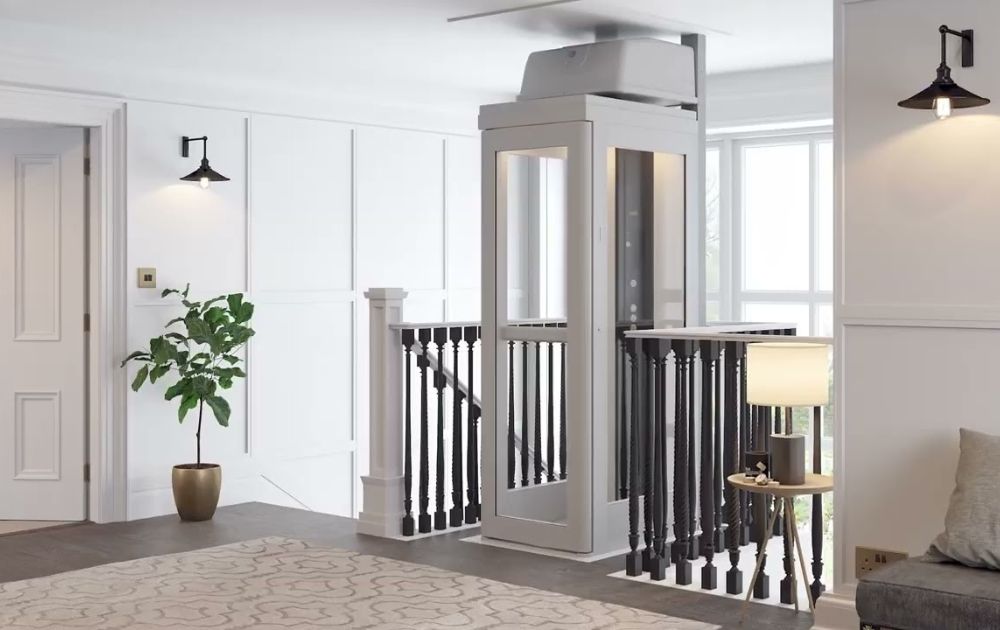
Residential elevator installations focus on personalization and adaptability. Unlike standardized commercial elevators, these systems are designed around the homeowner’s needs. From cabin size and interior finishes to control panels and door styles, every element can be customized. This makes residential elevator installations not only functional but also aesthetically pleasing. Space planning is a key factor in residential elevator installations. Some systems require a dedicated shaft, while others can be installed with minimal structural changes. Indoor installations are common, but outdoor options are also available for homes with limited interior space. Each approach offers flexibility, ensuring that home elevator installation is possible in a wide range of properties.
Step-by-Step Home Elevator Installation Process
The home elevator installation process begins with an initial consultation and site assessment. Professionals evaluate the home’s structure, available space, and homeowner requirements. This stage sets the foundation for a successful installation. Next comes the design and engineering phase. Detailed plans are created, ensuring compliance with safety standards. Once approvals are secured, the actual installation begins. This includes structural preparation, mechanical fitting, electrical work, and system integration. After installation, thorough testing and inspection ensure safe operation. Post-installation support ensures that homeowners feel confident using their new elevator.
Role of CHS Elevators in Home Elevator Installation
CHS Elevators play a significant role in delivering reliable and customized home elevator installation solutions. Known for their commitment to quality, CHS Elevators focus on blending advanced technology with user-friendly design. Their approach ensures that every installation aligns with safety standards while meeting individual lifestyle needs. CHS Elevators specialize in residential elevator installations that prioritize durability and comfort. Their team works closely with homeowners from consultation to final inspection, ensuring transparency and satisfaction throughout the process. This hands-on approach builds trust and delivers long-term value.
Cost Factors in Home Elevator Installation
The cost of home elevator installation varies based on several factors. Equipment type, customization level, and installation complexity all influence the final price. While initial costs may seem significant, it is important to view this as a long-term investment rather than a one-time expense. Maintenance and servicing also play a role in overall costs. Regular inspections ensure smooth operation and extend the lifespan of the system. Over time, the benefits of convenience, accessibility, and increased property value often outweigh the initial investment.
Benefits of Home Elevator Installation
Home elevator installation offers a wide range of benefits that extend beyond convenience. Improved accessibility makes daily life easier for seniors, individuals with mobility challenges, and even families carrying heavy items. It transforms a multi-level home into a truly inclusive space. Another key benefit is increased property value. Homes with residential elevator installations often appeal to a broader market, making them more attractive to future buyers. Beyond practicality, elevators add a sense of luxury and sophistication, enhancing overall living experience.
Common Challenges in Home Elevator Installation
Like any construction project, home elevator installation can present challenges. Structural limitations, budget concerns, and time constraints are common issues. However, experienced professionals know how to navigate these obstacles effectively. Creative design solutions and flexible installation methods help overcome space limitations. Transparent cost planning and realistic timelines ensure that homeowners are well-informed at every stage. With the right team, challenges become manageable stepping stones rather than roadblocks.
Maintenance After Home Elevator Installation
Regular maintenance is essential after home elevator installation. Routine inspections identify minor issues before they become major problems. Scheduled servicing ensures that mechanical and electrical components remain in optimal condition. Consistent maintenance not only enhances safety but also extends the lifespan of the elevator. It is similar to regular health checkups; a little attention goes a long way in preventing serious issues.
Future Trends in Residential Elevator Installations
The future of residential elevator installations is shaped by technology and sustainability. Smart features such as touchless controls, remote monitoring, and energy-efficient systems are becoming increasingly common. These innovations enhance safety and convenience while reducing environmental impact. Sustainable materials and compact designs are also gaining popularity. As technology evolves, home elevator installation will continue to become more efficient, accessible, and integrated into modern living spaces.
Choosing the Right Partner for Home Elevator Installation
Selecting the right partner for home elevator installation is one of the most important decisions homeowners make. Experience, technical expertise, and customer support all matter. A reliable provider ensures smooth installation, ongoing support, and long-term satisfaction. CHS Elevators stand out by combining industry knowledge with a customer-focused approach. Their dedication to quality and safety makes them a trusted choice for residential elevator installations.
Conclusion
Home elevator installation is a thoughtful investment in comfort, accessibility, and future-proof living. It transforms how homeowners experience their space, making multi-level homes easier and more enjoyable to navigate. With professional guidance, quality systems, and trusted providers like CHS Elevators, residential elevator installations become a seamless and rewarding process. Whether for convenience today or planning for tomorrow, a home elevator adds lasting value to any residence.