
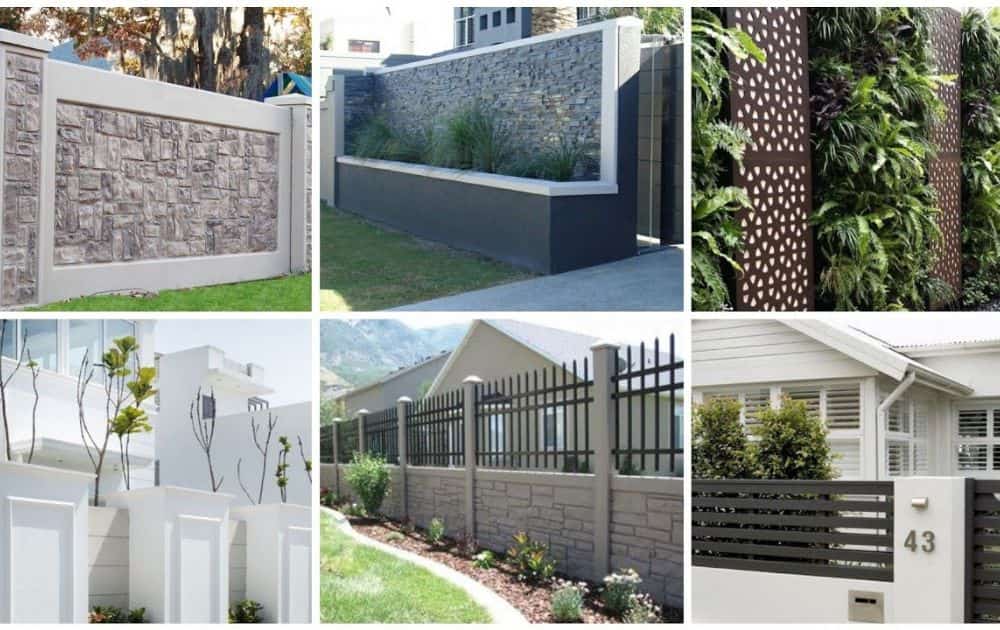
Living fences are more than just boundaries; they are breathing, growing elements that bring life to spaces. Instead of relying solely on rigid barriers, living fences blend natural vegetation with structural materials to create a boundary that evolves over time. Think of them as a handshake between nature and design, offering both function and beauty without feeling cold or restrictive.
The idea of living fences isn’t new. For centuries, people have used hedges, shrubs, and trees to mark property lines. What’s different today is how living fences have evolved. Modern designs now combine plants with materials like aluminum and wooden structures, creating solutions that are both practical and visually striking.
Why Living Fences Are Gaining Popularity
One major reason living fences are trending is their visual appeal. They soften landscapes, add texture, and create a welcoming atmosphere. Unlike traditional fences that feel static, living fences change with the seasons, offering fresh colors, growth, and movement throughout the year. Another strong driver is sustainability. Living fences help reduce carbon footprints, improve air quality, and support local ecosystems. In a world increasingly focused on eco-friendly choices, living fences feel like a natural step forward, blending responsibility with style.
Types of Living Fences
Living fences come in several forms, but they generally fall into plant-based and hybrid categories. Plant-based living fences rely entirely on vegetation like hedges or climbing plants. Hybrid living fences, on the other hand, combine plants with supportive structures for added strength and design flexibility. Aluminum living fences and wooden living fences are the most popular hybrid options. These materials provide a reliable framework while allowing greenery to weave through and around them, creating a balanced and refined look.
Aluminum Living Fences Explained
Aluminum living fences are a modern favorite for those who value durability and clean design. Aluminum structures act as a strong backbone, supporting climbing plants or vertical greenery systems. Their sleek appearance pairs well with contemporary homes and commercial spaces. One of the biggest advantages of aluminum living fences is low maintenance. Aluminum doesn’t rust, warp, or crack, making it ideal for long-term outdoor use. It also offers design flexibility, allowing for minimalist lines or intricate patterns depending on preference. Aluminum living fences work especially well in urban environments where durability and modern aesthetics matter most.
Wooden Living Fences Explained
Wooden living fences bring warmth and character that’s hard to replicate with other materials. Wood feels natural, familiar, and inviting, making it a perfect match for gardens, cottages, and traditional homes. When combined with plants, wooden living fences feel like an extension of the landscape rather than an addition to it. The benefits of wooden living fences include their organic look and versatility. Wood can be stained, painted, or left raw to age gracefully. While wooden living fences may require more maintenance than aluminum, many homeowners see this as part of the charm. They work best in settings where aesthetics and natural harmony take priority.
Comparing Aluminum and Wooden Living Fences
When choosing between aluminum and wooden living fences, durability is often the deciding factor. Aluminum living fences require minimal upkeep and perform well in harsh weather. Wooden living fences, while beautiful, may need regular treatment to protect against moisture and insects. Cost also plays a role. Aluminum living fences often have a higher upfront cost but offer long-term savings due to low maintenance. Wooden living fences may be more affordable initially but can incur ongoing care expenses. Visually, aluminum feels modern and sleek, while wood feels warm and timeless. The right choice depends on your space and lifestyle.
Installation Process of Living Fences
Installing living fences starts with thoughtful planning. You need to consider plant types, climate, sunlight, and spacing. A well-designed living fence looks effortless, but behind that simplicity is careful preparation. The installation process usually involves setting the framework, whether aluminum or wooden, and then planting or attaching greenery. Once installed, maintenance becomes the key to success. Regular watering, pruning, and occasional inspections keep living fences healthy and attractive for years.
Living Fences and Privacy
Living fences excel at creating privacy without feeling closed off. Dense plants form natural screens that block views while still allowing airflow and light. It’s privacy with a gentle touch, not a hard stop. Beyond privacy, living fences can enhance security. A well-designed living fence discourages trespassing while maintaining a welcoming appearance. It’s like having a guard that smiles instead of scowls.
Environmental Impact of Living Fences
Living fences support biodiversity by providing habitats for birds, insects, and small wildlife. They act as mini ecosystems, especially in urban areas where green spaces are limited. They also improve air quality by absorbing pollutants and releasing oxygen. Over time, living fences contribute to a healthier environment, proving that boundaries don’t have to be barriers to nature.
Living Fences in Urban and Rural Spaces
In cities, living fences help soften concrete-heavy landscapes. They reduce noise, improve air quality, and add a touch of nature to busy streets. Aluminum living fences are particularly popular in urban settings due to their durability and sleek appearance. In rural areas, living fences have long been used for property boundaries and agricultural purposes. Wooden living fences blend seamlessly with natural surroundings, making them a timeless choice for countryside settings.
Common Mistakes to Avoid with Living Fences
One common mistake is choosing plants that don’t suit the local climate. This leads to poor growth and higher maintenance. Another mistake is ignoring spacing, which can cause overcrowding and limit plant health. Avoiding these pitfalls ensures that living fences remain vibrant and functional rather than becoming a burden.
Cost Considerations and Budget Planning
The cost of living fences varies depending on materials, plant choices, and size. While the initial investment may seem higher than traditional fencing, the long-term value often outweighs the cost. Living fences increase property appeal and can even boost resale value. Over time, they prove to be a smart investment rather than just an expense.
Customization Options for Living Fences
Living fences are highly customizable. You can mix aluminum and wooden elements, choose different plant species, or experiment with patterns and heights. This flexibility allows living fences to reflect personal style. Customization turns living fences into a design feature rather than a simple boundary, making each installation unique.
The Future of Living Fences
As sustainable landscaping gains momentum, living fences are set to become even more popular. Innovations in materials and plant systems are making them easier to install and maintain. The future of living fences lies in smart design, eco-friendly materials, and creative combinations that blur the line between architecture and nature.
Final Thoughts on Living Fences
Living fences offer a refreshing alternative to traditional boundaries. Whether you choose aluminum for its modern durability or wood for its natural charm, living fences bring beauty, function, and sustainability together. They remind us that boundaries don’t have to divide; they can connect us to nature in meaningful ways. Living fences are more than a trend; they are a thoughtful response to modern living. By combining plants with aluminum or wooden structures, living fences create spaces that feel alive, welcoming, and environmentally responsible. They provide privacy, beauty, and long-term value while enhancing both urban and rural landscapes. Choosing living fences means choosing a boundary that grows with you.