
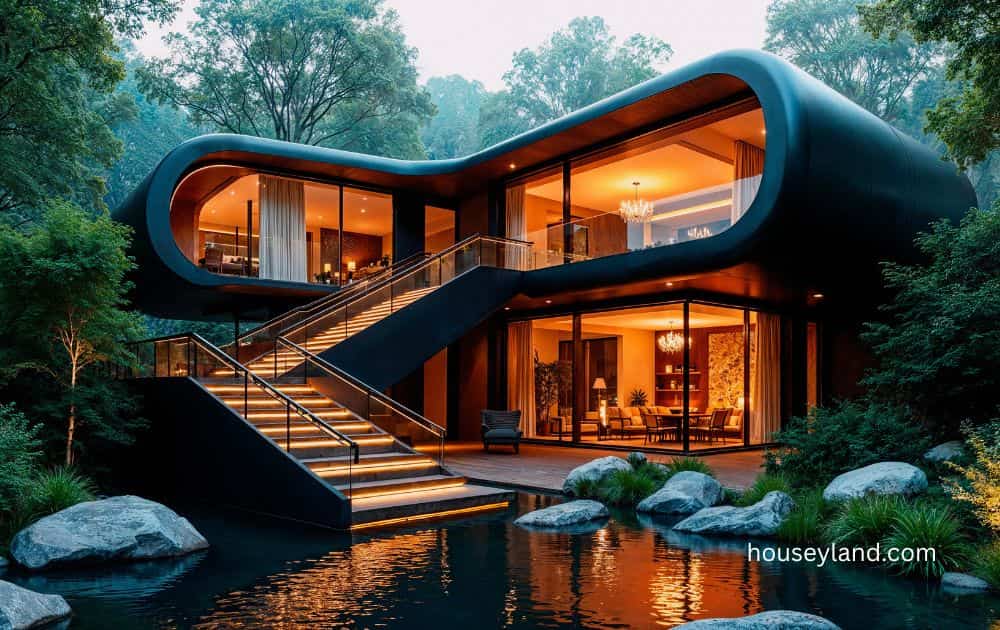
A small guest house can feel genuinely luxurious when you treat it like a boutique space instead of a scaled-down version of a main home. The trick is picking one or two features that create instant mood, then designing everything else to support them with smart lighting, clean lines, and intentional materials. One of the most dramatic upgrades is translucent stone paired with hidden LEDs, and if you want to see what that looks like in real projects, check out backlit stone countertops in Naples, FL.
The best part is that this approach is not about stuffing the room with upgrades. It is about giving the space a signature moment that feels custom, then letting the rest of the design stay calm and cohesive so the feature can shine.
You will also get a smoother build when you plan the flashy details early and coordinate them with whoever is designing, permitting, and building the unit. Even if you are just researching processes and timelines, it helps to look at a clear example of a full-service approach, and one place to start is the https://www.remodelworks.com/ website.
Think Boutique, Not Basic
A high-end feel comes from restraint and confidence, not from piling on finishes. In a compact guest house, every surface is close to the eye, so small decisions get amplified.
Choose one statement, then build around it
Glowing stone works because it delivers drama and ambience at the same time. Instead of trying to make every element “special,” decide where the feature belongs and let it carry the design. A single illuminated panel can make the entire space feel curated, especially when everything around it is quiet and intentional.
Keep the layout simple and the sightlines clean
Luxury in a small footprint is often about what you do not see. Tuck storage into clean built-ins, hide the trash pullout, keep countertop clutter to a minimum, and make sure the lighting is doing the heavy lifting. When the room reads as calm, your statement feature reads as premium.
The Glow Feature That Changes Everything
Backlit stone is not just a pretty surface. It is a lighting layer, a focal point, and a mood setter that can make a small guest house feel memorable.
What “glowing stone” actually is
The concept is straightforward: a translucent slab or panel is mounted with LED lighting behind it so the natural veining and color become illuminated. The result looks almost alive at night, and in the daytime, it still reads as an elevated material choice.
Where it works best in a compact guest house
In small spaces, vertical surfaces tend to give you more drama per square foot than horizontal ones. A backlit backsplash, a shower wall panel, or a vanity face can become the hero without asking you to redesign the whole room. Countertops can also be stunning, but they demand extra planning for support, seams, and access to the lighting components.
Why does it feel expensive even when the space is small
This is one of those upgrades that reads as custom because it is not mass market. Guests notice it immediately because it does something most surfaces do not do. It adds depth, warmth, and a sense of intentionality, which is what people associate with high-end interiors.
Design Decisions That Make the Glow Look Intentional
It is easy to make a bold feature look random. The goal is to make it feel like it belongs, as if the guest house was designed around it from day one.
Match the glow to the vibe of the space
Decide what you want the room to feel like at night. Cozy and warm, crisp and modern, or softly dramatic. Your LED color temperature, dimming controls, and surrounding finishes should all support that feeling. A warm glow with natural woods feels inviting. A cooler, cleaner glow with minimalist cabinetry feels gallery-like.
Give the feature breathing room
A glowing stone surface needs negative space around it. Avoid crowding it with busy tile, loud patterns, or high contrast paint right next to it. Let adjacent materials be calmer so the veining and light can do their job.
Treat lighting as part of the architecture
If you want the space to feel premium, avoid the “one ceiling light does everything” approach. Pair the glow feature with layered lighting: soft ceiling ambient, task lighting where you actually work, and a few accent points that create depth. When those layers work together, the room feels finished.
Build Planning That Prevents Headaches Later
The most common problems with backlit stone are not aesthetic. They come from poor coordination between framing, electrical, and installation sequencing.
Plan the power and access before the walls get closed
Hidden lighting still needs power, drivers, and a way to service components in the future. That means you need a plan for where the driver lives, how it stays ventilated, and how you can reach it without demolishing the wall. This is the unglamorous part that separates a smooth project from a stressful one.
A short checklist that saves a lot of pain
A quick list can help you sanity check the plan before installation:
- Confirm the wall cavity depth and substrate requirements for the stone and lighting system
- Decide where the driver and wiring will be housed and how it will be accessed
- Specify dimming and control options early so the electrician can rough in correctly
- Test illumination before final mounting so you can fix hot spots or shadows
Keep this tight and practical, and you will avoid the most annoying surprises.
Coordinate the sequence so the stone is protected
Glowing stone is a finish detail, which means it should not be installed too early. Protect it from construction dust, paint overspray, and last-minute tool impacts. The lighting should be mounted and tested first, then the stone goes on once the space is ready, to treat it like the final layer it is.
The Small Details That Make It Feel Custom
Luxury is rarely one thing. It is the combination of little choices that makes the space feel considered.
Use fewer materials, but choose them carefully
Limit the palette to a few finishes that work together. Think one cabinet finish, one countertop tone, one metal finish, and one feature moment. This keeps the room from looking busy and helps the glowing stone read as intentional instead of competing for attention.
Upgrade the touch points guests notice
You do not have to upgrade everything. Upgrade what people touch. Solid hardware, a good faucet, a heavy-feeling door handle, and soft-close drawers create a quality impression that lasts. Pair those with the glow feature, and the whole guest house feels elevated.
Add comfort through lighting control
If there is one “luxury” move that costs less than people think, it is dimming. A dimmer lets the glowing stone shift from statement piece to ambient nightlight, which makes the guest house feel thoughtful and relaxing for real humans, not just photos.
Keeping It Beautiful Over Time
High-end is not only how it looks on day one. It is how it holds up after guests have lived in it, cleaned it, cooked in it, and turned the lights on and off a thousand times.
Choose stone and placement with real life in mind
Some translucent stones are softer and more porous than people expect. That does not mean you cannot use them. It means you should place them thoughtfully and specify sealing and care instructions that match how the space will be used. If you are putting glowing stone in wet zones, make sure the assembly and edges are detailed to handle moisture confidently.
Make maintenance simple
Avoid designs that require special rituals to keep them looking good. You want the surface to be easy to wipe down, and you want the lighting components to be serviceable. When the system is accessible and the cleaning routine is straightforward, your feature stays a feature instead of becoming a headache.
A Simple Roadmap From Idea to Install
A project like this is easiest when you treat it as a sequence rather than a vibe. Start with the statement decision, plan the technical needs, then let the finishes support the feature.
First, pick the location of the glowing stone and decide what mood you want it to create at night. Next, coordinate the electrical and access plan before construction closes up the walls. Then, install and test the lighting system, and only after that should the stone be mounted and protected as a final finish. Do it in that order, and you end up with a compact guest house that feels intentional, calm, and quietly luxurious, with a signature glow that guests will remember.