
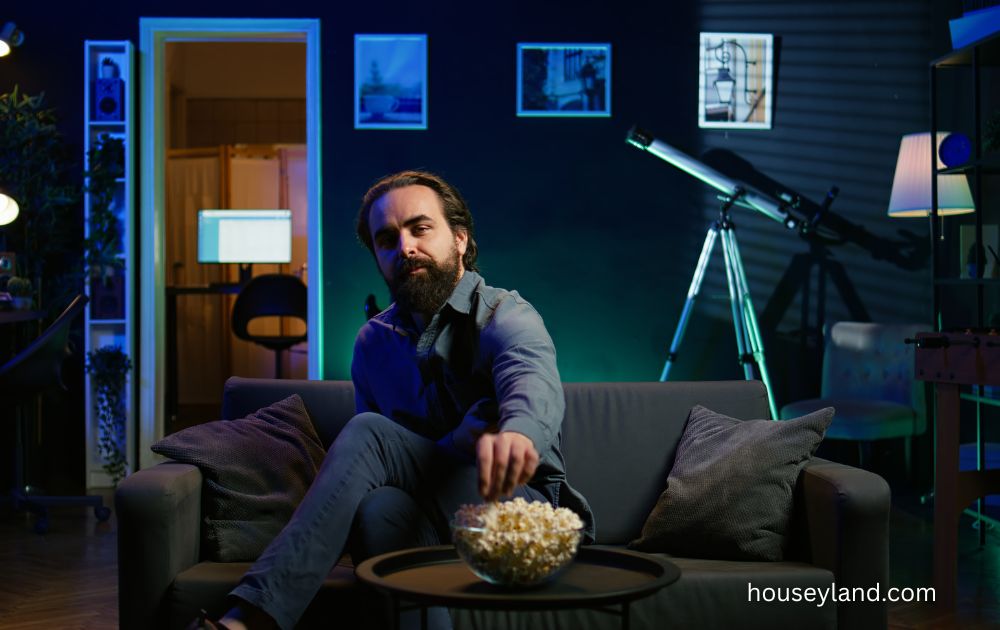
A private cinema is not really about having the biggest screen or the most complicated setup. It is about the way a room changes once you press play. The light gets softer, the distractions fade out, and the space feels like it was designed for comfort, focus, and a little bit of escape. You can create that experience in a dedicated room, a basement, a spare bedroom, or a living area that also has to function during the day. The difference comes from a handful of design choices that work together, not one big purchase. If you want to see what a truly immersive approach can look like when a space is treated like an experience, take a look at dream vision interiors of windermere, fl.
Before you rearrange furniture or shop for anything, decide what “cinema” means in your home. For some people, it means a cozy, cocooned place where you can disappear into a movie without hearing the rest of the house. For others, it means a dramatic hangout space with a little theater energy and a clear sense of mood. The best version is the one that matches how you actually relax, because a room that fits your habits gets used more often.
Once you have that feeling in mind, it becomes easier to make smart decisions about light, sound, and comfort. The biggest leap most rooms need is glare control and lighting that can shift from everyday brightness to evening immersion without a fuss. If you want ideas for that part of the transformation, especially window treatments that help a screen look better while still feeling stylish, you can start with the http://glamour-decorating.com/ website.
Start With the Mood, Then Build Around It
A cinema-worthy room feels intentional the moment you walk in, even before the screen turns on. That does not require a themed space or a strict design style, but it does require a clear direction. If everything competes for attention, the room never settles. If the room has a consistent mood, the screen becomes the star without you having to force it.
Choose a single design direction and keep it consistent
Pick a vibe that feels easy to live with. You might want the room to feel warm and tucked in, with soft textures and deeper colors. You might prefer a clean, minimal look where the technology disappears, and the room stays calm. Either approach works, as long as you stay consistent with finishes and lighting. Consistency is what makes a space feel designed, while randomness is what makes it feel like a storage area with a screen.
This is also where you decide whether the room should feel energetic or quiet. A playful room can still feel cinematic, but it needs controlled lighting and intentional zones. A calmer room will feel cinematic almost automatically, because it already encourages people to settle in.
Lighting That Makes the Room Feel Cinematic
After the screen itself, lighting is the fastest way to change how a room feels. A single bright ceiling fixture tends to flatten everything. It makes the room feel exposed and clinical, and it can create reflections that fight the picture. A cinema space needs light that can be shaped and softened.
Build layers of light instead of relying on one overhead source
Layered lighting means you have more than one way to light the room, and you can combine those sources depending on what you are doing. During conversation, you want enough light to feel comfortable and human. During the movie, you want the room to dim down without becoming unsafe or annoying. That usually means a few small sources at different heights, like a lamp near seating and a soft accent light that makes the room glow without shining directly at the screen.
The goal is not to make the room dark for the sake of darkness. The goal is to make the room visually quiet so your eyes naturally settle on the screen. When the background is calm, the image feels richer and more immersive.
Make “movie mode” easy to trigger
A cinema experience falls apart when it is inconvenient. If you need to adjust multiple lights, close several window coverings, and hunt down remotes, you will watch less often. The better approach is to create a simple routine that takes seconds. When the lighting is easy to dim and the room shifts quickly, the room starts to feel like an experience rather than a project.
Even small improvements help here. A dimmer, a simple lighting preset, or a consistent habit of using the same few light sources can make the room feel intentional without turning it into a technical headache.
Glare Control That Still Looks Like a Home
Glare is the silent reason many home theaters feel underwhelming. It washes out contrast, makes dark scenes look gray, and pulls your attention away from the story. The fix is not always expensive, but it does require treating light control as a foundation rather than a final detail.
Use window coverings that support both style and performance
Rooms that are bright during the day can still become excellent cinema spaces, but only if you can control the incoming light. Room-darkening window coverings help the screen look sharper and deeper, especially for films with darker scenes. They also make the room feel more private, which adds to that “escape” feeling people love about movie nights.
The best setups usually avoid shiny finishes around the screen area, too. Matte surfaces and softer textures keep reflections down, which lets your eyes relax. When the room is not fighting the picture, everything looks better without you changing the screen at all.
Add softness to improve both sound and visuals
A lot of people think of textiles as purely decorative, but in a cinema room, they are functional. Softer materials reduce harsh reflections and can help the sound feel clearer and less echoey. A rug, curtains, upholstered seating, or fabric wall treatments all contribute to a room that feels calmer and more controlled. The room does not need to be stuffed with fabric. It just needs enough softness that it stops behaving like an empty box.
Seating That Makes People Stay for One More Episode
If the room looks beautiful but the seating is uncomfortable, it will never become a favorite. Seating should match how people actually watch. Some households sit upright and focused. Most people lounge, shift positions, put their feet up, or pile in together. A private cinema works best when it supports that reality.
Choose comfort first, then refine the look
Deep seating, supportive cushions, and enough space to stretch out will always win. That does not mean the room has to look bulky. It means you pick the right scale for the space and keep the layout clean. If you have the room, add a footrest or ottoman so people can relax without turning the sofa into a tangled mess.
If you host, flexibility matters. A room feels welcoming when guests can find a comfortable spot without negotiating who gets the one good seat. That can be achieved through layout choices, not just by buying more furniture.
Protect sightlines so nobody gets the “bad seat.”
A common mistake is placing the screen too high or arranging seating without sitting in it first. The simplest way to avoid this is to decide where the main viewing position will be and build around it. When the sightline feels natural, people relax. When it feels awkward, they fidget, and the room loses its magic.
Sound That Pulls You Into the Story
Sound is what creates immersion. A great picture can still feel thin if the audio is flat. The best home cinema sound is not only about volume. It is about clarity, balance, and the feeling that the room itself is part of the scene.
Make dialogue clear and reduce echo
The most common complaint in home viewing is struggling to hear dialogue. That problem is often made worse by hard surfaces that bounce sound around. Adding softness helps, but placement matters too. When sound feels controlled, and dialogue is crisp, you stop straining and start sinking into the story.
Aim for sound that surrounds rather than blasts
You do not want a sound that feels like it is shouting from one direction. You want sound that fills the space evenly so it feels natural. When audio is balanced, the room becomes immersive without feeling aggressive, and the overall experience feels more cinematic even at comfortable volume levels.
Finishing Touches That Make It Feel Personal
This is where the room becomes your room. A private cinema does not have to look like a showroom. It should look like a place people want to relax, laugh, and stay a while.
Add small cues that signal comfort
A throw within reach, a side table that actually holds snacks, a soft glow that stays on during the opening scenes, and a place for remotes to live all matter more than people expect. These details reduce friction and increase comfort, which is what turns a “nice setup” into a room people actively choose.
Keep it easy to reset
The easiest rooms to enjoy are the easiest rooms to maintain. If the space becomes cluttered, the mood disappears. Simple storage solutions, hidden cables, and a consistent place for the small stuff keep the room feeling calm and inviting.
The Real Secret Is Effortless Use
A private cinema succeeds when it feels like the easiest choice in the house. You want a room that can be bright and normal during the day, then shift into movie-night mode in minutes. You want comfort that does not require rearranging furniture, lighting that does not require a manual, and a layout that makes sense the first time someone walks in.
If you focus on mood, layered light, glare control, comfort, and clear sound, you will end up with a space that feels more immersive than most people expect. It will not feel like a project you built once and forgot. It will feel like a room that naturally pulls everyone in when the day is done, and it is time to relax.