
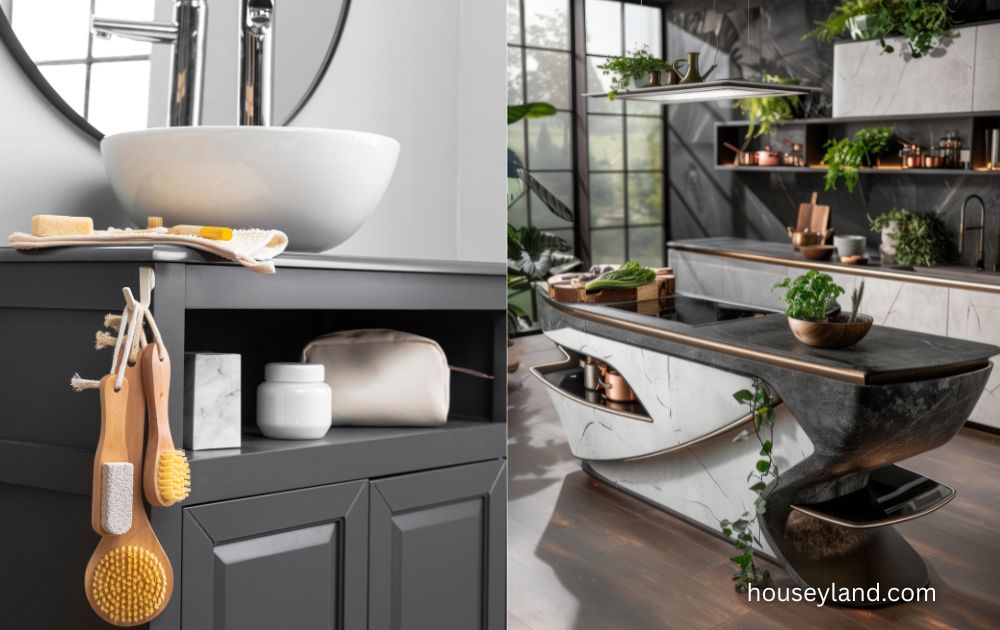
A great kitchen or bath upgrade is not about chasing trends. It is about making smart choices that feel good every day and still make sense when you look back at the invoice. The trick is balancing two mindsets that usually fight each other: the creative side that wants something beautiful, and the practical side that wants to avoid expensive regret. When you blend those two well, you end up with a space that works harder, looks better, and does not quietly drain your savings. This guide will help you plan that balance, and it will make your next remodel feel more like a confident decision than a leap of faith, especially if you treat it like one of your bigger home improvement projects.
First, get honest about what is driving the upgrade. Are you trying to fix a daily frustration, create a space that feels calmer, or finally make the layout match how you actually live? The answer matters because it determines where you spend and where you hold back. A room can look high-end and still be a smart buy if the budget is aligned with your real priorities, not just your mood on a Saturday afternoon.
Next, gather inspiration with a filter, not a blank check. Save photos that you love, but pay attention to why you love them: is it the lighting, the color palette, the cabinet style, or how open the space feels? When you can name the “why,” you can recreate the feeling without copying every detail. If you want a quick burst of visual ideas to start narrowing your preferences, take a look at the https://www.glamour-designs.com/ website after you have already decided what you need functionally.
Start With How You Use the Space
A strong plan begins with real life, not with finishes, because functional mistakes are the ones that keep annoying you long after the shine wears off.
Map your daily routines before you map the layout
Think through the first ten minutes of your morning and the last ten minutes of your night. In a kitchen, notice where clutter piles up, where you always bump into someone, and which surfaces become the default landing zone. In a bath, consider whether you need faster mornings, better storage, easier cleaning, or a more relaxing feel. These observations give you a practical blueprint before you ever discuss materials.
Fix the friction points first
A remodel feels “worth it” when it removes recurring pain. That might mean shifting storage closer to where items are used, improving lighting where you prep or shave, or changing the flow so two people can move without collision. When you spend money to solve a specific problem, you are less likely to chase upgrades that look impressive but do not change anything about daily life.
Make the Budget Do the Talking
A budget is not just a limit. It is a decision-making tool that keeps you from spending big on the wrong things.
Build a realistic range, not a single number
Instead of committing to one hard number on day one, create a comfortable range that includes a buffer. A range makes it easier to evaluate choices without emotional whiplash. It also leaves room for surprises that are common once walls and floors are opened up.
Break spending into “must work” and “nice to upgrade”
A helpful way to stay grounded is to separate what must be solid from what can be selectively upgraded. Your “must work” category is structural and functional: plumbing reliability, proper waterproofing, safe electrical, ventilation, and good installation. Your “nice to upgrade” category is aesthetic or convenience-driven: premium fixtures, specialty finishes, built-ins, and high-end accessories.
If you want a quick reference, here are common cost buckets people forget to price early:
- Delivery, hauling, and disposal fees
- Fixture trim pieces and hardware
- Lighting layers (not just one ceiling light)
- Paint, patching, and finish carpentry
- Small changes that trigger bigger updates (for example, moving one line can require more work than expected)
Keeping these in view reduces the chance that your budget “mysteriously” drifts.
Design Choices That Look Expensive Without Being Wasteful
Great design is rarely about the most expensive item in the room. It is about consistency, proportion, and a few intentional focal points.
Choose one hero element and let everything else support it
Pick a single feature that carries the visual impact. In a kitchen, that might be the cabinetry style, a statement backsplash, or strong lighting over an island. In a bath, it might be a vanity, an elegant mirror, or a shower enclosure that feels crisp and open. When you decide on one hero, you can keep other pieces quieter and still get a polished result.
Use repetition to create a “finished” look
People often assume a space looks premium because every item is premium. More often, it looks premium because the design choices repeat: matching metal finishes, consistent lines, and a limited palette. Repetition makes a room feel intentional. Too many mixed choices make it feel like a collection of purchases.
Spend where your hands and eyes go every day
A skeptical budget approach does not mean cheaping out. It means spending where it counts. Think about touch points: cabinet hardware, faucet handles, drawer slides, and surfaces you use constantly. Quality here is not just about looks. It improves the daily experience and usually lasts longer.
Quotes, Timelines, and the Reality Check
Once design and budget are in the same conversation, you need a process that protects you from delays, confusion, and scope creep.
Compare quotes by scope, not by the total
Two quotes can look wildly different while both are “reasonable.” The difference is often what is included: prep work, waterproofing details, finish work, cleanup, or product allowances. Ask for clarity on what is specifically covered and what is assumed. The goal is to compare like with like.
Set a decision calendar so ordering does not stall the project
Many remodels slow down not because work is difficult, but because decisions arrive late. Cabinets, fixtures, and surfaces often need lead time. If you set deadlines for final selections early, you reduce downtime and avoid rushed choices you later dislike.
Keep change orders boring and rare
Changes happen. The key is making them deliberate. Any change should answer three questions: What is the cost difference, what is the timeline impact, and what problem does it solve? If you cannot clearly explain the problem it solves, it is probably not worth the disruption.
Finishing Touches That Protect Your Investment
The last stretch is where a remodel either feels complete or feels like it almost got there.
Layer lighting so the room works at every hour
A single bright overhead light can make even a beautiful room feel harsh. Use a mix: ambient light for general brightness, task light for working zones, and softer accents for evenings. This is one of the easiest ways to make a space feel more elevated without changing major materials.
Plan storage as a system, not a pile of cabinets
Storage is not just about quantity. It is about usability. Deep drawers, reachable shelves, and dedicated zones for the items you actually own will make the room feel larger and calmer. In baths, smart storage prevents counters from becoming permanent clutter displays.
Do a final walkthrough with a punch list mindset
Before you call the project “done,” walk the space slowly and test everything. Open and close doors, check alignment, look for uneven finishes, confirm seals and caulking, and verify that ventilation and lighting perform the way you expected. This is not nitpicking. It is how you protect your spending.
A kitchen or bath upgrade does not need to be a financial gamble or a design guessing game. When you design like a pro and price like a skeptic, you get a space that feels intentional, functions beautifully, and stays within a plan you can defend. Keep your priorities clear, keep your scope tight, and treat every upgrade as a choice you should still feel good about six months after the last box is hauled away.