
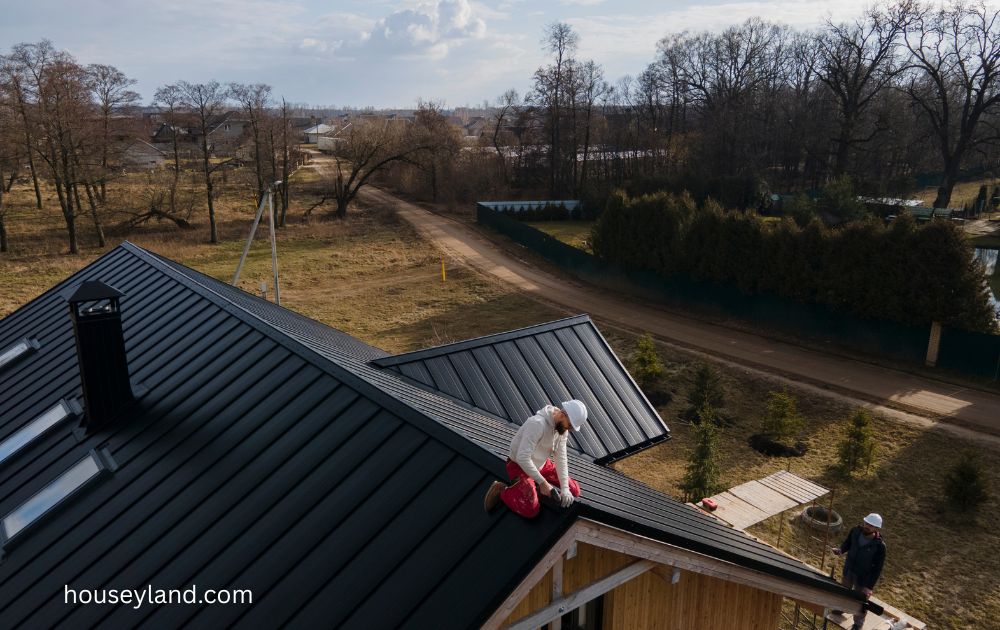
A comfortable home is not just about what happens inside. The outside of your property sets the tone before anyone steps through the door. When your roof and landscaping feel like they belong together, your house looks more intentional, more welcoming, and more “finished.” It also tends to feel calmer, because everything works as one cohesive picture instead of competing for attention.
This article walks through practical ways to align your roof and landscape choices so your home feels better to live in and looks better from the street. You do not need a massive budget or a full redesign. A few coordinated decisions can go a long way.
Start With the Roof as Your Visual Anchor
Your roof is one of the biggest surfaces people see, even if they do not consciously notice it. It frames your home’s silhouette, affects how large or small the structure feels, and influences the colors around it. Before you plan plants, borders, lighting, and outdoor seating, look up and call 619 roofing to ensure your roof is in great shape. Roofing materials and colors can push your exterior toward warm, cool, rustic, crisp, modern, or traditional.
A smart first step is taking a quick inventory of what you already have. Note the roof color, how weathered it looks, and whether it has strong undertones. Then look at your home’s siding, trim, stone accents, and driveway. When these pieces feel coordinated, landscaping becomes easier, because you are building on a stable foundation instead of trying to fix a clashing palette with plants.
Make Roof Condition Part of Your Comfort Plan
Curb appeal matters, but comfort is the long game. A well-maintained roof helps protect insulation performance, ventilation balance, and moisture control, which all influence how your home feels across seasons. That is why maintaining your roof in top shape is not only a visual decision, it is also a comfort decision that supports everything from indoor temperature consistency to overall peace of mind.
Choose a Roof Color That Supports the Yard
If your landscaping leans lush and green, cooler roof tones can create a calm, clean contrast. If your yard has warmer elements like tan stone, brick pathways, or golden mulch, warmer roof colors often feel more natural. You are not trying to match your roof to your plants, but you are trying to keep the overall vibe consistent.
A quick rule that helps: let one element be the star. If your roof is bold or dark, keep landscaping colors a bit more controlled and layered. If your roof is subtle, your landscape can carry more color and playful variation.
Align Materials With Your Home’s Architectural Style
A sleek modern home usually looks best with clean lines in both roof and landscaping: simple shrubs, structured beds, minimal color palette, and intentional negative space. A cottage-style home tends to feel best with softer roof tones and more organic planting shapes. When the roof style and the landscape style agree, your home feels cohesive without needing lots of extras.
Design Landscaping That Completes the Look
Landscaping is the part people experience closest up. It frames the entry, guides movement, softens hard edges, and makes your property feel lived-in. The goal is not to overwhelm your home with plants. It is to support it, highlight it, and make it feel more welcoming.
This is where many homeowners accidentally go off track by adding trendy plants or random features that do not connect to the roof and exterior. Instead, think in layers: foundation plantings, mid-height accents, and taller elements that create balance with the roofline.
Build a Cohesive Palette With Plants and Hardscape
A detailed approach to boosting curb appeal starts with choosing a consistent set of materials and repeating them. If your roof is charcoal, consider repeating that tone in subtle places like planters, edging, or outdoor lighting finishes. If your roof has warm brown notes, consider wood accents, warm-toned stone, or mulch that complements rather than clashes.
For plants, repetition is your friend. You can still have variety, but repeating a few key plant types or colors across the front yard makes everything feel planned. Even small yards benefit from this. It is the difference between “a bunch of plants” and “a landscape design.”
Use Height and Shape to Balance the Roofline
A tall roof or steep pitch can make the house feel visually heavy up top. Landscaping can counter that by adding height closer to the ground: small ornamental trees, tall grasses, or vertical shrubs in strategic spots. On the other hand, if your roofline is low and wide, you may want more horizontal landscaping elements: low hedges, spreading shrubs, and long planting beds that echo that shape.
Keep the Entry the Star of the Front Yard
Your front door area should feel supported, not buried. Use plants to frame it, not block it. A simple path, tidy bed edges, and lighting that guides visitors naturally toward the entrance can make the whole home feel more inviting, even if the rest of the yard is modest.
Tie Everything Together With Color and Texture
Once the roof and landscaping are working in the same direction, the next level is how you connect the details. Texture and color are what make a home feel warm and cohesive instead of flat. This is also where you can add personality without overdoing it.
One of the easiest ways to coordinate is to select two to three main exterior colors and repeat them in different ways. Your roof is one. Your siding is another. Your trim or accent material is the third. Landscaping can echo these colors subtly through plant tones, pavers, gravel, pots, and outdoor decor.
Create Contrast Without Creating Conflict
Contrast is good. Too much contrast is chaos. If your roof is dark, light flowers and bright green foliage can pop beautifully. If your roof is lighter, deeper green shrubs and richer mulch tones can add depth so things do not look washed out.
Texture works the same way. A roof with strong dimensional shingles pairs nicely with layered planting textures like ornamental grasses, hydrangeas, or mixed evergreens. A smoother roof style often looks best with cleaner landscaping shapes and simpler plant textures.
Think Seasonally So the Home Always Looks Finished
A landscape that only looks good in summer can make your home feel unfinished half the year. Add structure with evergreens, winter-interest plants, or hardscape elements like stone borders and pathway lighting. That way, even in colder months, the yard still supports the roof and exterior instead of turning into an empty frame.
Add Comfort Features That Also Look Great
Outdoor comfort and style can work together. In fact, when you plan them as one, they often look more intentional. Comfort upgrades can enhance the look of your roof and landscape instead of feeling like random add-ons.
Start by thinking about how you use the outdoor space. Do you want shade, privacy, less maintenance, or better drainage? Each goal has a design-friendly solution.
Plan for Shade, Drainage, and Water Flow
Roof runoff affects landscaping more than most homeowners realize. If water is dumping near foundation beds, it can stress plants, erode soil, and create muddy zones that look messy. Consider extending downspouts, adding splash blocks, or using drainage-friendly landscaping like river rock channels that look decorative while managing water.
Shade is another big one. Trees placed thoughtfully can cool outdoor areas and reduce heat exposure on parts of the home, while also adding balance to the roofline. The key is careful placement so roots and branches do not create future issues.
Choose Low-Maintenance Options That Still Feel High-End
A yard does not need to be high-maintenance to look polished. Clean edging, consistent mulch, drought-tolerant plant clusters, and well-placed lighting can look upscale while keeping upkeep realistic. The same applies to roof-related exterior features: tidy gutters, clean rooflines, and consistent finishes on vents or trim details help the entire exterior look more refined.
Use a Simple Checklist to Keep Everything Cohesive
Coordinating your roof and landscaping does not require a full remodel. A few smart decisions create a noticeable shift. Here is a practical way to pull it all together.
- Pick a consistent exterior color direction based on your roof undertones
- Repeat two to three materials across the yard (stone, metal finish, wood tone)
- Use landscaping height to balance the roofline
- Keep the entry area clear, framed, and welcoming
- Manage roof runoff so landscaping stays healthy and tidy
- Add lighting that highlights paths and exterior features at night
When the roof and landscaping work together, your home feels more comfortable, looks more stylish, and makes a stronger first impression without trying too hard. It is the kind of harmony people notice, even if they cannot quite explain why it feels so right.