








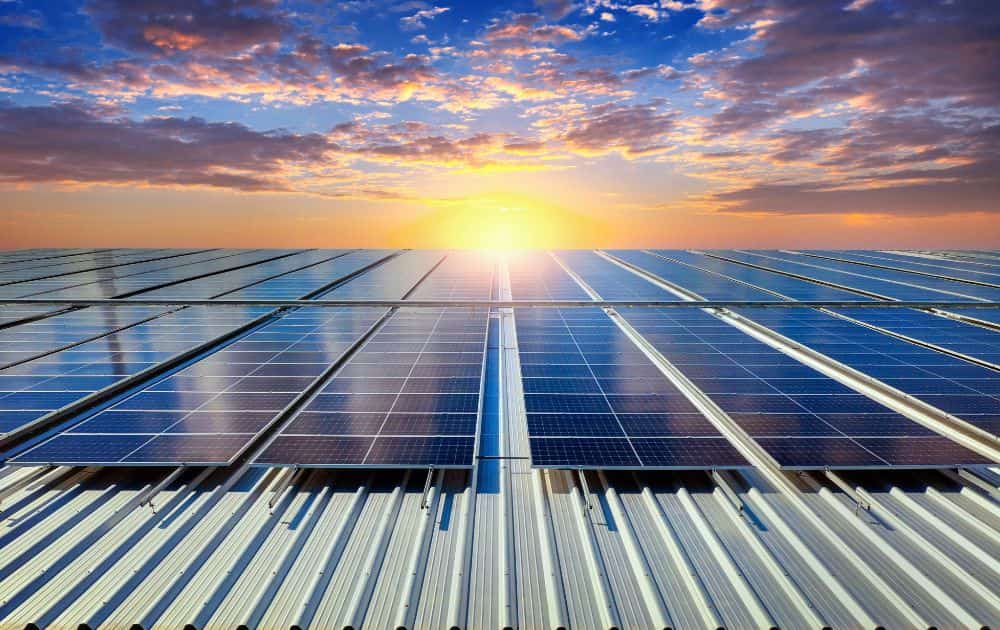
HMS photovoltaik has become an increasingly important term in the renewable energy sector as more households and businesses explore ways to optimize solar power production. At its core, HMS photovoltaik refers to a modern, module-level solar energy system that uses advanced technologies such as microinverters or intelligent management components to improve efficiency, safety, and performance. Unlike traditional solar systems that depend heavily on a central inverter, HMS photovoltaik allows each solar panel to operate independently, giving the entire system a higher degree of flexibility and stability. This independence is especially valuable for properties with partial shading, complicated roof layouts, or inconsistent sunlight exposure, making HMS photovoltaik a smart and adaptable solution in diverse environments.
How HMS Photovoltaik Works in Everyday Solar Systems
The technology behind HMS photovoltaik revolves around the idea of optimizing solar energy conversion at the panel level rather than relying on a single device to manage multiple modules. In a standard solar system, any issue on one panel, like a shadow or dust accumulation, can negatively impact the performance of the entire series. HMS photovoltaik eliminates this inefficiency through module-level power electronics that regulate, monitor, and maximize the output of each individual panel. This improves the total energy harvest, maintains power stability even during changing weather, and reduces the risk of system-wide malfunctions. As solar adoption grows, the demand for smarter and more resilient technology has increased, making HMS photovoltaik one of the most preferred options in the market.
Why HMS Photovoltaik Is Becoming a Popular Choice for Solar Users
In recent years, HMS photovoltaik has gained popularity due to its advanced features and ability to deliver strong performance regardless of environmental conditions. Many homeowners choose it because it works well on rooftops with different angles, partial shading, or architectural limitations. Its user-friendly monitoring systems also appeal to beginners who want insight into their daily energy production. For businesses, the technology provides a stable and predictable energy output, helping reduce monthly electricity expenses and lower their carbon footprint. As climate awareness increases, choosing systems like HMS photovoltaik allows individuals and companies to play an active role in environmental protection while benefiting from long-term energy savings.
Key Components Used in HMS Photovoltaik Systems
A typical HMS photovoltaik system includes solar panels, microinverters, mounting structures, wiring components, and advanced monitoring units. Each solar panel functions independently with the help of a microinverter attached directly behind it, allowing instant conversion from DC to AC power. The mounting structures ensure the panels are securely positioned with the right angle to capture sunlight, while the electrical wiring ensures safe and efficient power flow throughout the system. What sets HMS photovoltaik apart is the monitoring unit, which provides real-time performance data, fault alerts, and system efficiency reports. This combination of components creates a smart, responsive, and high-performing solar solution suited to a wide range of installations.
Design and Placement Strategies for HMS Photovoltaik Installations
The design of an HMS photovoltaik system involves careful planning to ensure that each panel receives maximum sunlight exposure throughout the day. Installers consider factors such as roof direction, tilt angle, potential shading areas, and environmental conditions before deciding on the final layout. One of the biggest advantages of HMS photovoltaik is the flexibility it offers; since each panel works separately, users can install them on different roof surfaces, at different angles, or even in multiple sections of the property without affecting the system’s overall performance. This design freedom makes HMS photovoltaik suitable for modern homes with unconventional roof shapes, commercial buildings with equipment obstacles, and industrial sites where space must be used strategically.
Efficiency Benefits of HMS Photovoltaik Technology
Efficiency is one of the strongest reasons people invest in HMS photovoltaik. Traditional solar setups often suffer from power loss because the weakest panel dictates the system’s output. In contrast, HMS photovoltaik ensures that each module produces energy at its highest possible level, improving both daily and yearly production. This means homeowners and businesses get more electricity from the same amount of sunlight, leading to faster return on investment and greater long-term energy savings. The system’s resilience against shading, dirt, and temperature variations contributes to a consistently high output, even when weather conditions are not ideal.
Safety Advantages Integrated into HMS Photovoltaik
Safety is a major priority in solar technology, and HMS photovoltaik stands out because of its enhanced protection features. Since each panel operates independently with its own microinverter, the system runs at safer voltage levels, reducing the risk of electrical accidents. This makes it particularly suitable for residential areas where both safety and long-term reliability are important. Additionally, the built-in shutdown mechanisms ensure that power stops flowing immediately in emergencies, such as system faults, maintenance activities, or fire incidents. These safety benefits give users peace of mind and make HMS photovoltaik one of the most secure modern photovoltaic solutions.
Applications of HMS Photovoltaik in Homes, Businesses, and Industries
HMS photovoltaik has versatile applications, making it suitable for various types of users. Homeowners appreciate its flexibility, especially when installing panels on roofs with chimneys, skylights, or structural designs that block sunlight. For businesses, the system provides stable electricity production that helps reduce operational costs and support sustainability goals. Industrial facilities use HMS photovoltaik to power machinery, lighting, and large-scale operations, especially in areas with high energy consumption. As a scalable and adaptable technology, HMS photovoltaik can be installed on small homes, solar carports, commercial warehouses, agricultural farms, and even remote sites where traditional power sources are unreliable.
Installation Process for HMS Photovoltaik Systems
The installation of an HMS photovoltaik system begins with a site inspection, during which professionals evaluate the property, analyze sunlight patterns, and identify shading issues. The next step is system design, where the installer decides how many panels are needed and where they should be placed. Once the design is approved, technicians begin mounting the panels, securing the structures, and attaching the microinverters. Electrical wiring is completed carefully to ensure a safe and efficient power connection. After installation, the entire system undergoes testing to verify performance, safety, and communication with the monitoring platform. When everything is confirmed, the system is activated, and users can begin tracking their solar production immediately.
Costs and Limitations of HMS Photovoltaik Systems
While HMS photovoltaik offers several advantages, it also has some limitations that users should consider. The cost of systems using microinverters is generally higher compared to traditional central inverter setups because each panel requires its own advanced electronic unit. Installation may also require specialized technicians, which can lead to slightly higher labor charges. Additionally, although the system is highly efficient, properties with extremely limited roof space may still face constraints if energy needs are high. Despite these challenges, most users find that the long-term benefits, such as improved performance and lower maintenance costs, outweigh the initial expenses.
The Future of HMS Photovoltaik and Emerging Innovations
The future of HMS photovoltaik looks promising as solar technology continues to evolve. Manufacturers are developing smarter microinverters, improved monitoring solutions, and AI-powered optimization tools that make energy management more intuitive. Global interest in sustainable solutions is also driving investments in advanced photovoltaic systems, and HMS photovoltaik is expected to become even more widely adopted in the coming years. With growing urbanization and rising electricity costs, more consumers are turning to technologies that offer independence, reliability, and environmental responsibility all of which are strengths of HMS photovoltaik.
Conclusion
HMS photovoltaik represents the next generation of solar energy technology, offering high efficiency, enhanced safety, and advanced monitoring capabilities that benefit homeowners, businesses, and industries alike. Its module-level optimization ensures that every panel performs at its best, creating a dependable and energy-rich system even in challenging conditions. While the initial investment may be higher, the long-term advantages in power production, maintenance, and reliability make HMS photovoltaik a valuable solution for those seeking clean and efficient renewable energy.
FAQs About HMS Photovoltaik
What is HMS photovoltaik, and how does it differ from traditional solar systems?
HMS photovoltaik is a module-level solar technology that allows each panel to operate independently using microinverters or similar smart components. Unlike traditional systems that rely on a single central inverter, HMS photovoltaik ensures that one panel’s performance does not affect the rest of the system. This results in higher efficiency, better energy output, and improved reliability, especially in areas where partial shading or irregular roof layouts are common.
Why is HMS photovoltaik considered more efficient?
The key efficiency advantage of HMS photovoltaik comes from its ability to maximize the power production of each individual panel. Since every module converts DC to AC separately, energy losses are minimized, and output remains stable even when certain panels face temporary shading, dust, or weather changes. This design helps users capture more total energy over time compared to traditional string inverter systems.
Is HMS photovoltaik suitable for homes with complex or shaded roofs?
Yes, HMS photovoltaik is one of the best options for properties that have shading issues, multiple roof sections, or obstacles like chimneys and trees. Because each panel works independently, shading on one part of the roof does not limit the performance of other panels. This makes HMS photovoltaik ideal for both residential and commercial buildings with unique architectural or environmental conditions.
Does HMS photovoltaik require high maintenance?
Maintenance for HMS photovoltaik is generally low, thanks to the smart monitoring systems that come with microinverter-based setups. Users can easily track the performance of each panel through an app or online dashboard, allowing issues to be identified quickly. Since microinverters tend to have long warranties and fewer mechanical parts, the overall maintenance requirements are minimal compared to conventional systems.
Is HMS photovoltaik more expensive than other solar technologies?
The initial cost of HMS photovoltaik can be higher because each panel requires its own microinverter or power optimizer. However, the long-term benefits—such as increased energy production, lower maintenance costs, extended durability, and enhanced safety—often outweigh the extra investment. Over time, users typically recover the cost through higher electricity savings and stable system performance.