
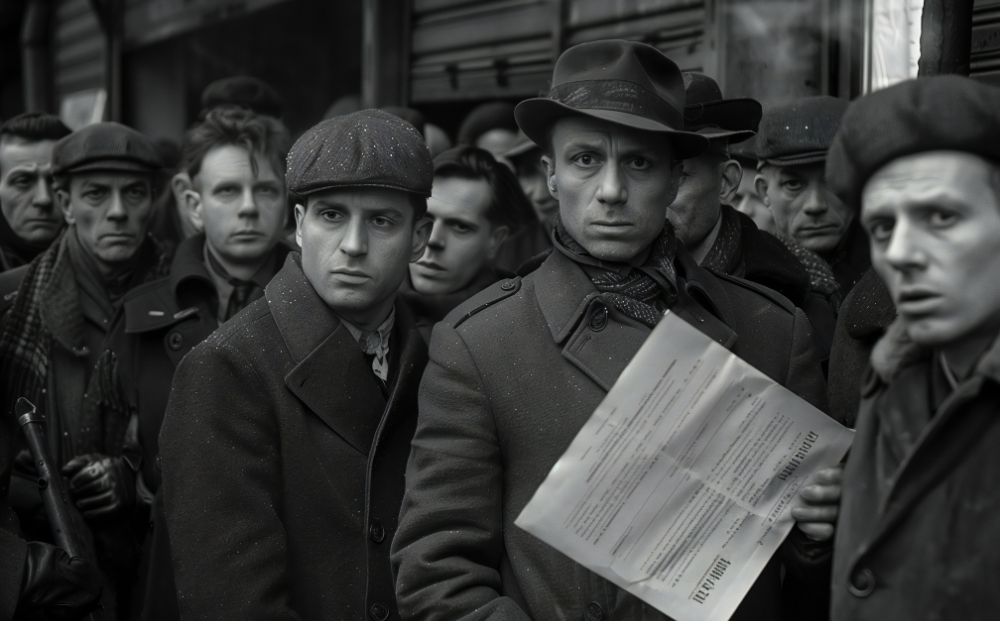
The word fascisterne often sparks curiosity, debate, and sometimes confusion. It is a term deeply connected to political history, social movements, and ideological discussions that still echo in modern conversations. Even though fascisterne is rooted in historical contexts, its relevance today lies in understanding how societies evolve and how power structures can influence people’s lives. By looking closely at fascisterne, we gain clarity about the past and awareness for the future.
What Does the Term Fascisterne Mean?
At its core, fascisterne refers to individuals or groups associated with fascist ideology, particularly in a historical European context. The term is often used to describe supporters of strict authoritarian systems that emphasize strong central power, nationalism, and social control. While the word itself may sound distant or academic, fascisterne represents real movements that shaped nations, cultures, and lives. Understanding the meaning of fascisterne helps remove ambiguity and encourages informed discussion rather than emotional reactions.
Why Fascisterne Is Still Discussed Today
You might wonder, why talk about fascisterne now? The answer is simple: history has a habit of repeating itself when forgotten. Discussions around fascisterne continue because modern societies want to recognize warning signs early. By studying fascisterne, people learn how certain ideologies gain influence and how they affect democratic values, human rights, and social harmony.
Historical Background of Fascisterne
To truly understand fascisterne, we need to step back into history. The emergence of fascisterne did not happen overnight. It was the result of social unrest, economic hardship, and political instability that created fertile ground for extreme ideologies to grow. These conditions made people seek strong leadership and simple answers to complex problems.
The Political Climate That Gave Rise to Fascisterne
In early 20th-century Europe, many nations were struggling. Wars had drained economies, unemployment was widespread, and people felt betrayed by traditional political systems. Fascisterne gained momentum by promising order, pride, and national revival. This message resonated with populations who felt ignored and powerless, making fascisterne appear as a solution rather than a threat.
Early European Influences
Countries facing humiliation after conflicts became hotspots for fascisterne movements. Political leaders used emotional language, national symbols, and historical narratives to unite people under a single vision. These early influences shaped how fascisterne ideology spread and solidified its presence.
Social and Economic Factors
Economic crises played a huge role in empowering fascisterne. When people struggle to meet basic needs, they are more likely to support movements that promise stability and strength. Fascisterne capitalized on this fear, positioning themselves as protectors of national identity and economic recovery.
Core Ideologies Associated with Fascisterne
The ideology behind fascisterne revolves around authority, control, and uniformity. Unlike flexible political systems, fascisterne ideology often discourages dissent and celebrates obedience. It promotes the idea that the nation is more important than the individual, shaping policies and cultural norms accordingly. One defining feature of fascisterne is intense nationalism. Supporters believe the nation must come first, often above personal freedoms. Authority is centralized, and leaders are portrayed as symbols of national strength. This combination creates an environment where questioning leadership is seen as disloyal.
Control of Society and Media
Fascisterne movements historically sought to control education, media, and public discourse. By shaping narratives, they influenced how people thought and behaved. This control helped maintain power and limit opposition, reinforcing ideological dominance. Propaganda was a powerful tool for fascisterne. Through speeches, posters, and mass events, messages were repeated until they became accepted truths. This approach blurred the line between reality and ideology, making it difficult for people to think critically.
Fascisterne in a Cultural Context
Beyond politics, fascisterne also influenced culture. Art, literature, and education were often reshaped to align with ideological goals. Cultural expression became a vehicle for promoting unity and suppressing alternative viewpoints. Many people today misunderstand fascisterne, sometimes using the term loosely without historical context. This can dilute its meaning and hinder productive discussions. Understanding fascisterne accurately allows for respectful dialogue and prevents oversimplification.
Fascisterne in Literature and Education
Books and academic studies play a key role in explaining fascisterne. Through literature, societies analyze mistakes, explore human behavior, and teach future generations the importance of critical thinking and democratic values. The presence of fascisterne in literature and education has played a crucial role in shaping how societies understand authoritarian ideologies and their long-term consequences. Literature, in particular, acts like a mirror held up to history, reflecting the emotions, conflicts, and moral dilemmas that emerged during periods influenced by fascisterne movements.
Differences Between Fascisterne and Other Political Ideologies
Comparing fascisterne with other systems highlights its unique characteristics. While many ideologies seek order and progress, fascisterne emphasizes control and conformity over individual freedom.
Fascisterne vs Democracy
Democracy values participation, debate, and diversity of opinions. Fascisterne, on the other hand, prioritizes unity under authority. This contrast explains why fascisterne is often seen as incompatible with democratic principles.
Fascisterne vs Socialism
Although sometimes confused, fascisterne and socialism differ significantly. Socialism focuses on economic equality, while fascisterne centers on national identity and hierarchical power structures. Understanding these differences prevents ideological confusion.
The Evolution of Fascisterne Over Time
The concept of fascisterne has evolved. While traditional movements declined after major global conflicts, the term continues to be used in academic and social discussions. Its meaning has expanded, sometimes becoming symbolic rather than literal. The evolution of fascisterne over time reflects how political ideas are shaped, challenged, and redefined by historical events and social change. When fascisterne first emerged, it was closely tied to periods of instability, economic hardship, and national insecurity. In these early stages, the ideology appeared to offer certainty and direction, attracting supporters who were frustrated with weak institutions and rapid social change. Fascisterne presented itself as a force of order, promising strength, unity, and national renewal during moments when societies felt most vulnerable.
Changes in Interpretation
Modern interpretations of fascisterne often focus on behavior rather than formal ideology. Authoritarian tendencies, suppression of dissent, and extreme nationalism are sometimes labeled using the term, reflecting its broader usage. Today, fascisterne may appear in political debates, media commentary, and social analysis. While this usage varies, it underscores the lasting impact of the ideology on collective memory.
Fascisterne in the Modern World
In contemporary society, fascisterne is mostly studied as a historical phenomenon. Universities, researchers, and educators analyze its causes and consequences to prevent similar movements from gaining traction.
Academic Discussions
Scholars approach fascisterne with nuance, examining economic conditions, psychological factors, and cultural influences. These discussions aim to promote understanding rather than fear.
Media Representation
Media plays a role in shaping how people perceive fascisterne. Responsible reporting emphasizes facts and context, helping audiences distinguish between historical reality and exaggerated comparisons.
Social Impact of Fascisterne
The social consequences of fascisterne were profound. Communities experienced division, fear, and loss of trust. These effects did not disappear overnight and continued to influence societies long after movements ended. The social impact of fascisterne was deep, far-reaching, and long-lasting, influencing how communities functioned, how individuals related to one another, and how societies understood power and belonging. When fascisterne ideology took hold, it reshaped social structures by promoting conformity over individuality and obedience over personal freedom.
Effects on Communities
Families, neighborhoods, and institutions were reshaped by fascisterne ideology. Social cohesion suffered as conformity replaced diversity, leaving lasting scars on collective identity. The long-term impact includes heightened awareness of human rights and the importance of democratic safeguards. Lessons learned from fascisterne continue to guide policy and education.
Criticism and Controversies Around Fascisterne
Fascisterne has been widely criticized for its ethical implications. Suppression of freedom, discrimination, and abuse of power remain central concerns in discussions about the ideology.
Ethical Concerns
From a moral perspective, fascisterne challenges fundamental human values. Ethical debates focus on accountability, justice, and the protection of individual rights.
Global Reactions
International responses to fascisterne movements historically included resistance, alliances, and reforms. These reactions shaped global politics and international law.
Why Understanding Fascisterne Matters Today
Learning about fascisterne is not about dwelling on the past. It is about recognizing patterns, understanding human behavior, and strengthening democratic values. Awareness acts as a shield against manipulation and misinformation.
Lessons from History: History teaches us that unchecked power can lead to devastating outcomes. Fascisterne serves as a reminder of the importance of transparency, accountability, and civic engagement.
Awareness and Education: Education empowers individuals to question, analyze, and participate responsibly in society. By understanding fascisterne, people become better equipped to defend freedom and inclusivity.
Conclusion
The topic of fascisterne carries significant historical and social weight. By exploring its origins, ideology, and impact, we gain valuable insights into how societies function and how fragile freedoms can be. Understanding fascisterne is not about assigning blame but about learning, reflecting, and ensuring that future generations are informed, thoughtful, and resilient.
FAQs About fascisterne
What does fascisterne refer to?
Fascisterne refers to individuals or groups associated with fascist ideology, particularly in historical and political contexts.
Is fascisterne only a historical term?
While rooted in history, fascisterne is still used today in academic and social discussions to describe authoritarian tendencies.
Why is fascisterne considered controversial?
It is controversial due to its association with suppression of freedoms, authoritarian control, and social division.
How does fascisterne differ from democracy?
Democracy emphasizes freedom and participation, while fascisterne prioritizes authority and national unity over individual rights.
Why is it important to study fascisterne today?
Studying fascisterne helps societies recognize warning signs and protect democratic values.
Leave a Reply