
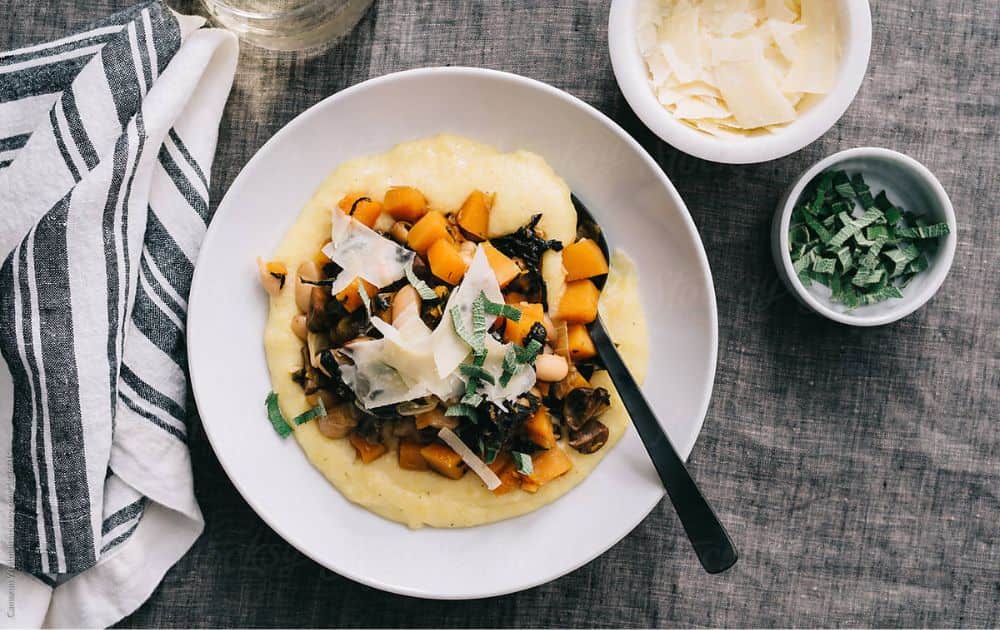
Palentu is a warm, comforting, and incredibly versatile dish that has been part of traditional cuisine for generations. Loved for its simplicity, affordability, and nourishing qualities, palentu continues to be a favorite in many households today. Whether you are preparing it as a soft, creamy side or a firm, sliceable base for savory toppings, palentu blends effortlessly into any meal. This article explores everything you need to know about palentu, from its history and cultural significance to kako napraviti palentu how to make it perfectly every time. The gentle flavor and adaptable nature of palentu make it a timeless choice, ideal for both beginners and experienced cooks alike, and suitable for breakfast, lunch, dinner, or even dessert.
The Cultural Significance of Palentu
Palentu has roots stretching deep into traditional Balkan and Mediterranean cuisine, where it emerged as a staple food thanks to its simplicity and accessibility. In rural regions, families relied on palentu as an essential meal that could be prepared quickly using minimal ingredients. Its mild taste allowed it to be paired with a wide variety of foods, from dairy products to meats, vegetables, and sauces. Generations grew up with palentu on their tables, often enjoying it during gatherings, holidays, or everyday meals. Although modern kitchens are filled with more advanced tools and diverse ingredients, palentu remains cherished because it represents warmth, family, and tradition. Many people continue to prepare palentu the same way their parents and grandparents did, keeping both culinary and cultural heritage alive.
Why Palentu Is Still Popular Today
The reason palentu remains popular today is its incredible versatility. It can be prepared in multiple textures and combined with endless toppings, turning a simple dish into something creative and satisfying. For busy individuals, palentu offers a quick meal option that requires minimal effort. For health-conscious eaters, it provides a wholesome, naturally gluten-free base that fits into various diets. Families appreciate its comforting qualities, especially when served warm with butter, cheese, or hearty stews. Whether you prefer savory flavors or enjoy experimenting with sweet variations, palentu adapts beautifully. Its ability to transform based on personal taste has kept it relevant, beloved, and consistently present in kitchens worldwide.
Ingredients Needed to Make Palentu
Preparing palentu requires only a handful of simple ingredients, making it accessible to anyone regardless of cooking experience. The basic recipe includes cornmeal, water, and a pinch of salt. The type of cornmeal you choose fine, medium, or coarse will influence the final texture of your palentu. Many people enjoy experimenting by adding optional ingredients like butter, milk, cheese, sour cream, or olive oil to create a richer, creamier dish. These additions enhance both the taste and consistency, allowing you to customize palentu to your liking. The beauty of palentu lies in its simplicity, yet it still provides plenty of room for creativity.
Kako Napraviti Palentu (How to Make Palentu)
If you have ever wondered kako napraviti palentu, the good news is that it is one of the easiest dishes to prepare. The process involves boiling water, gradually adding cornmeal, and stirring until the mixture thickens. Start by heating water in a pot and adding a small amount of salt for flavor. Once the water begins to boil, slowly pour in the cornmeal while stirring continuously to prevent lumps from forming. Reducing the heat allows the palentu to cook gently, absorbing water and reaching a smooth consistency. Depending on your preference, you can cook it to be soft and creamy or firm enough to slice once cooled. The key is patience and consistent stirring, which ensures a silky texture.
Achieving the Perfect Texture
The texture of palentu is one of the most important aspects of its preparation. Some people enjoy a softer, more liquid version that pairs well with dairy or sauces, while others prefer a thicker version that can be shaped, sliced, or fried. If your palentu becomes too thick during cooking, simply add a little hot water and stir until it reaches the desired consistency. If it turns out too thin, extend the cooking time until it thickens naturally. Adjusting the ratio of water to cornmeal also allows you to experiment with different textures. Knowing kako napraviti palentu properly means understanding these small adjustments that can dramatically enhance your cooking results.
Variations of Palentu
One of the most charming qualities of palentu is its ability to be transformed into countless variations. Savory versions often include cheese, butter, garlic, mushrooms, or grilled meats, making them perfect for lunch or dinner. Pairing palentu with hearty stews or roasted vegetables creates a wholesome and filling meal. Sweet versions are equally delightful, especially when made with milk, sugar, honey, or cinnamon. These versions are often enjoyed as breakfast or dessert, offering a warm and comforting experience. Whether you prefer sweet or savory flavors, palentu adapts beautifully without losing its signature charm.
Serving Ideas to Enjoy Palentu
Serving palentu opens the door to endless combinations. For a traditional touch, serve it warm with butter and cheese, allowing the heat to melt the toppings into a creamy blend. Many people enjoy pairing palentu with meats such as sausages or roasted chicken, as the dish absorbs flavors beautifully. It also complements vegetable dishes like sautéed spinach or roasted peppers. For breakfast, a sweet palentu topped with honey or fruit offers a gentle and satisfying start to the day. When cooled, palentu can be sliced and grilled, fried, or baked, creating a crispy exterior and soft interior—a completely new taste experience.
Health Benefits of Eating Palentu
Palentu is more than just delicious it also offers impressive nutritional benefits. Made from cornmeal, it is naturally gluten-free and easy to digest, making it suitable for people with dietary restrictions. It provides a steady source of carbohydrates that fuel the body throughout the day. Palentu also contains fiber, essential vitamins, and minerals that support overall health. Because it is simple and minimally processed, palentu fits well into balanced diets and can be enjoyed without guilt. Its gentle flavor makes it a great base for nutrient-rich toppings like vegetables, proteins, and healthy fats.
How to Store and Reheat Palentu
If you prepare more palentu than you can eat in one sitting, storing it properly will keep it fresh for later meals. Place leftover palentu in an airtight container and refrigerate it for up to two days. Once chilled, it becomes firm and can be sliced easily. To reheat creamy palentu, add a small amount of water or milk and warm it gently on the stove while stirring. For firmer palentu, consider grilling, frying, or baking slices to create a crispy and delicious texture. Leftover palentu is incredibly versatile and can be transformed into an entirely new dish with minimal effort.
Conclusion
Palentu is a timeless dish that combines simplicity, tradition, and versatility in the most comforting way. Learning kako napraviti palentu opens the door to countless delicious meals, whether you enjoy it creamy and warm or firm and crispy. Its ability to adapt to both sweet and savory flavors makes it an ideal dish for any time of day. Palentu remains a cherished part of many cultures because it is nourishing, budget-friendly, and endlessly customizable. With just a few ingredients and a little creativity, palentu can become a staple in your home, providing warmth and satisfaction with every bite.
FAQs About palentu
Can I make palentu without stirring constantly?
Stirring helps prevent lumps and ensures a smooth texture, so it’s highly recommended, especially during the first few minutes.
What type of cornmeal is best for palentu?
Medium-ground cornmeal is commonly used, but fine or coarse varieties can be chosen based on your texture preference.
Can I make sweet palentu?
Yes, sweet palentu made with milk, sugar, honey, or cinnamon is a popular and delicious variation.
How do I reheat leftover palentu?
Add a bit of water or milk for creamy palentu, or fry slices for a crispy version.
Is palentu gluten-free?
Yes, palentu is naturally gluten-free since it is made from cornmeal.